
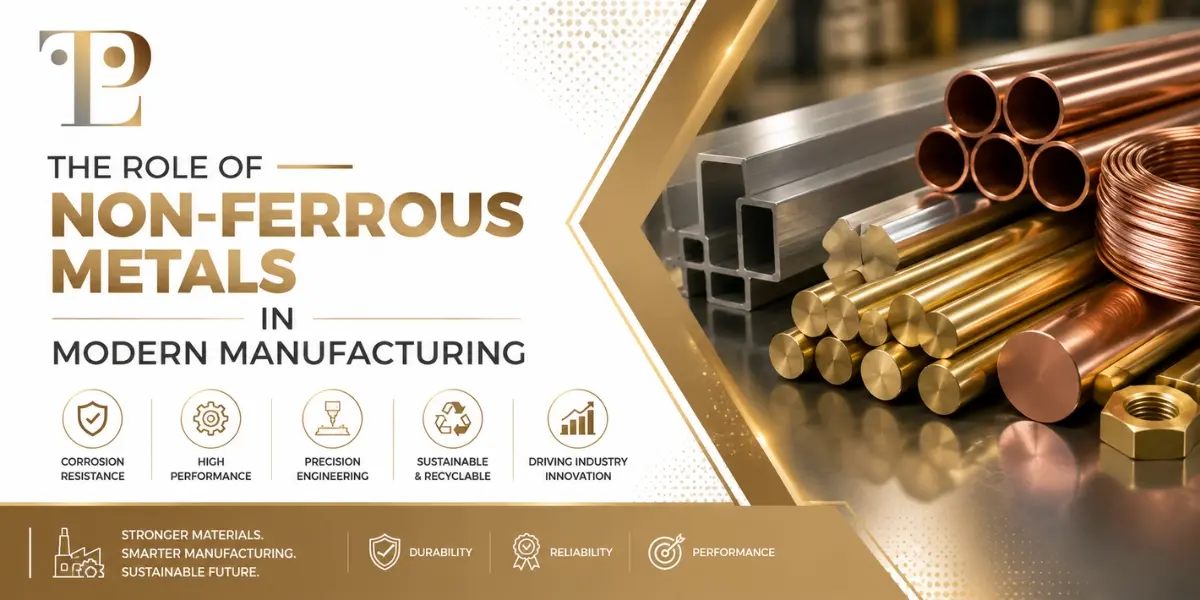
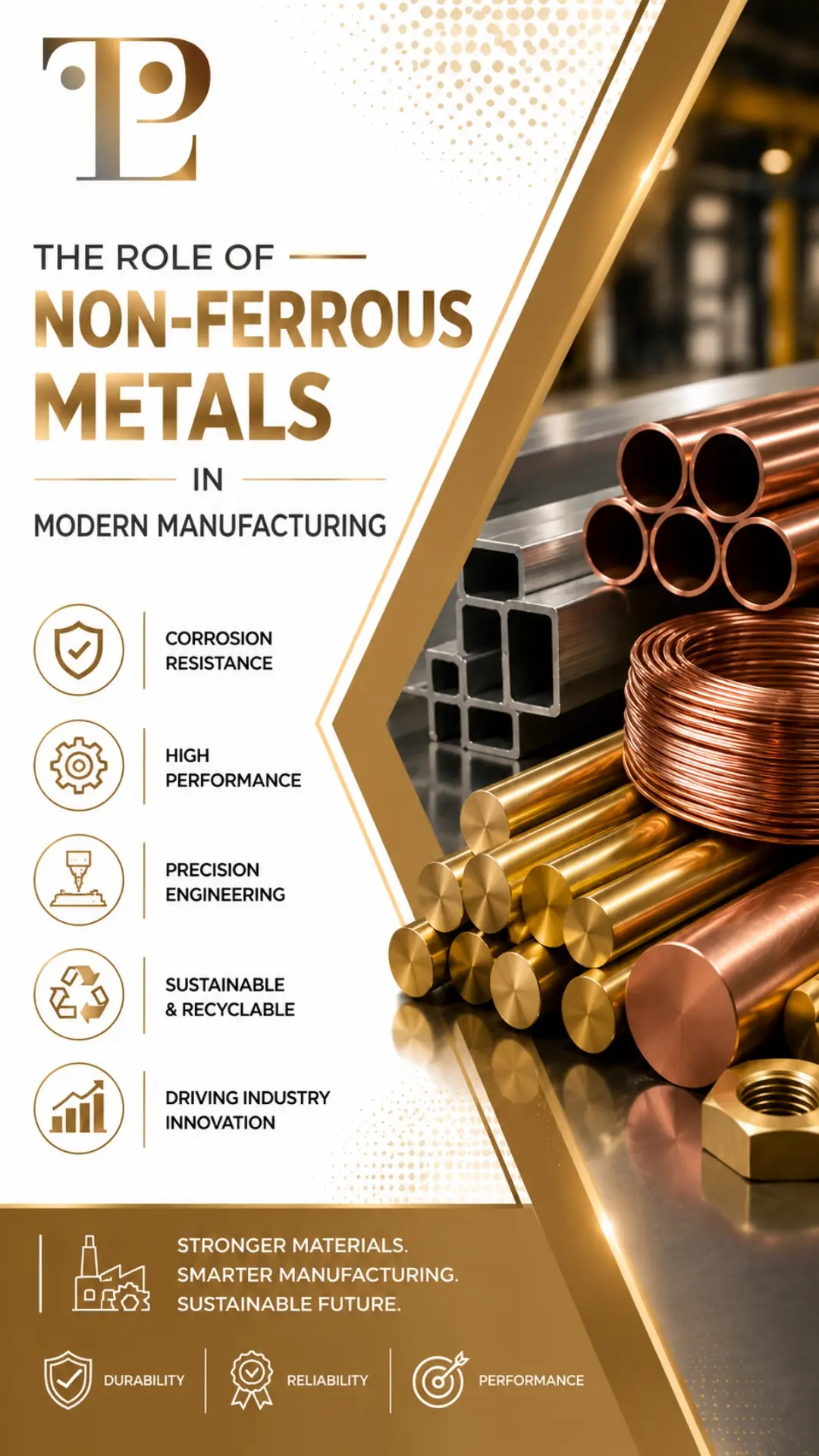
The Role of
Non-Ferrous Metals in Modern Manufacturing
The manufacturing sector has evolved rapidly over the last few decades. Today, industries demand materials that deliver strength, durability, corrosion resistance, and design flexibility. As a result, Modern Manufacturing increasingly depends on advanced materials that can withstand challenging operating conditions while maintaining consistent performance. One such material group is the non ferrous metal, which includes aluminum, copper, brass, zinc, tin, and titanium. These metals contain little or no iron, making them naturally resistant to rust and suitable for various industrial applications.
Moreover, manufacturers rely on non-ferrous metals because they support precision engineering, reduce maintenance requirements, and improve production efficiency. Their unique physical and chemical properties make them indispensable across industries such as automotive, aerospace, electrical, marine, and construction.
Understanding Non-Ferrous Metals
Non-ferrous metals are metals or alloys that contain little or no iron. Unlike ferrous materials, they offer excellent corrosion resistance, high thermal and electrical conductivity, and lighter weight. Consequently, they perform exceptionally well in demanding industrial environments.
Some of the most commonly used non-ferrous metals include:
- Aluminum
- Copper
- Brass
- Bronze
- Zinc
- Tin
- Titanium
Each metal provides distinct advantages. Therefore, manufacturers carefully select the appropriate alloy based on product requirements, operating conditions, and performance expectations.
Why Non-Ferrous Metals Matter in Modern Manufacturing
The success of Modern Manufacturing depends on selecting materials that balance performance with production efficiency. Non-ferrous metals meet these expectations by offering several practical benefits.
Superior Corrosion Resistance

One of the biggest advantages of non-ferrous metals is their natural resistance to corrosion. Unlike iron-based materials, they do not rust when exposed to moisture or atmospheric conditions. As a result, components manufactured from these metals last longer and require less maintenance.
This characteristic makes them ideal for marine equipment, plumbing systems, outdoor structures, and industrial machinery.
Excellent Machinability
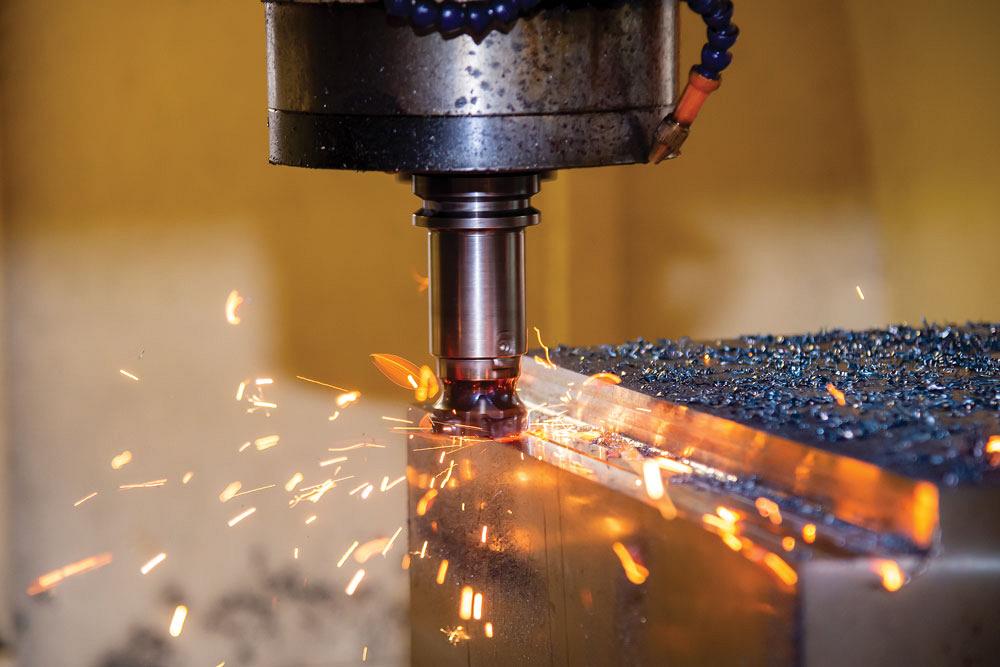
Manufacturers often require materials that can be machined into complex shapes without sacrificing structural integrity. Brass, in particular, offers outstanding machinability. Therefore, engineers can produce valves, gears, bushings, connectors, and fittings with high precision.
Additionally, improved machinability reduces tool wear, lowers production costs, and enhances manufacturing efficiency.
Brass: A Valuable Material for Precision Engineering
Among various non-ferrous alloys, brass continues to play a significant role in Modern Manufacturing. Brass is primarily composed of copper and zinc, although additional elements may be introduced to improve specific characteristics.
For example, adjusting the copper-to-zinc ratio influences:
- Tensile strength
- Hardness
- Thermal conductivity
- Corrosion resistance
- Ductility
Furthermore, small additions of lead can improve machinability, allowing manufacturers to achieve smoother surface finishes and tighter dimensional tolerances.
Because of these properties, brass is widely used in automotive components, electrical connectors, plumbing fittings, pneumatic systems, and precision mechanical equipment.
The Importance of Material Composition
Material composition directly affects product quality and manufacturing efficiency. Consequently, manufacturers carefully select alloy grades to meet precise engineering specifications.
Even slight changes in alloy composition can improve:
- Component lifespan
- Wear resistance
- Energy efficiency
- Production consistency
- Tool life
Therefore, understanding material composition helps manufacturers optimize production while maintaining product reliability.
Moreover, carefully engineered alloys reduce production waste and improve overall operational performance.
Supporting Industrial Innovation
As industries continue to innovate, Modern Manufacturing requires materials capable of meeting increasingly demanding performance standards. Non-ferrous metals help manufacturers achieve this goal through their versatility and reliability.
For instance, the automotive industry uses lightweight aluminum alloys to improve fuel efficiency. Likewise, the aerospace sector values titanium for its exceptional strength-to-weight ratio. Meanwhile, electrical manufacturers depend on copper because of its excellent electrical conductivity.
Furthermore, companies searching for a reliable Non-Ferrous Metals Supplier often prioritize consistent material quality, certified manufacturing processes, and dependable product availability to maintain uninterrupted production.
Sustainability and Recycling Benefits
Sustainability has become an essential consideration in today’s manufacturing landscape. Fortunately, non-ferrous metals contribute significantly to environmentally responsible production.
Most non-ferrous metals can be recycled repeatedly without substantial loss of quality. Consequently, manufacturers reduce raw material consumption while supporting circular economy practices.
Additionally, recycling helps:
- Lower energy consumption
- Reduce mining activities
- Minimize industrial waste
- Decrease environmental impact
Therefore, recycled non-ferrous metals continue to play an important role in Modern Manufacturing by supporting both economic and environmental objectives.
Applications Across Industries
Today, non-ferrous metals support countless industrial applications due to their exceptional performance characteristics.
Some major industries include:
Automotive
Manufacturers use aluminum, brass, and copper in engines, electrical systems, radiators, and transmission components because they combine durability with lightweight performance.
Aerospace
Aircraft manufacturers depend on aluminum and titanium alloys for structural components that require both strength and reduced weight.
Electrical and Electronics
Copper remains the preferred material for wiring, transformers, connectors, and electrical equipment because of its outstanding conductivity.
Construction
Brass, aluminum, and copper are widely used in plumbing systems, architectural structures, roofing materials, and decorative applications due to their corrosion resistance and long service life.
Marine Engineering
Marine environments expose equipment to constant moisture and saltwater. Therefore, corrosion-resistant non-ferrous metals provide long-lasting performance in ships, offshore platforms, and coastal infrastructure.
The Future of Modern Manufacturing
Technology continues to reshape industrial production. As automation, precision engineering, and sustainable practices become increasingly important, Modern Manufacturing will rely even more on advanced material solutions.
Moreover, ongoing research into alloy development continues to improve mechanical properties, manufacturing efficiency, and product durability. These innovations enable manufacturers to produce stronger, lighter, and more sustainable products while maintaining high production standards.
Consequently, non-ferrous metals will remain essential for industries seeking improved productivity and long-term operational reliability.
Conclusion
The growing demand for high-performance materials has made non-ferrous metals an essential part of industrial production. Their corrosion resistance, excellent machinability, lightweight characteristics, and recyclability make them ideal for diverse manufacturing applications. Furthermore, carefully engineered alloys such as brass continue to support precision engineering, improve production efficiency, and enhance product durability.
As industries continue to advance, Modern Manufacturing will increasingly depend on these versatile materials to meet evolving technical and sustainability requirements. Businesses looking for consistent material quality should partner with a trusted Non-Ferrous Metal Supplier in India to ensure reliable products that support long-term manufacturing success.