
How to Identify
and Use Non-Ferrous Metals
Non-ferrous metals play a crucial role in modern industries and everyday products. From electronics and aircraft components to construction materials, these metals provide unique advantages such as corrosion resistance, lightweight structure, and high electrical conductivity. In simple terms, a non ferrous metal refers to a metal that does not contain significant amounts of iron. Because of this composition, these metals are typically non-magnetic and resist rust better than many iron-based metals.
Therefore, understanding how to Identify and properly use these metals can help industries select the right material for specific applications. In this guide, we will explain the definition, properties, common types, and practical ways to Identify non-ferrous metals effectively.
What Are Non-Ferrous Metals?
Non-ferrous metals are metallic elements or alloys that contain little to no iron. In fact, in most cases the iron content is less than 1%. As a result, these metals generally resist rust and do not attract magnets.
Common examples include:
- Aluminum
- Copper
- Zinc
- Lead
- Nickel
- Titanium
- Tin
- Precious metals such as gold and silver
These materials are widely used in manufacturing because they offer advantages like corrosion resistance, electrical conductivity, and lower weight compared to ferrous metals.
Key Differences Between Ferrous and Non-Ferrous Metals
To Identify these metals correctly, it is important to understand how they differ from ferrous metals.
Feature | Ferrous Metals | Non-Ferrous Metals |
Iron Content | High | Very low or none |
Weight | Usually heavy | Generally lightweight |
Magnetism | Magnetic | Non-magnetic |
Corrosion Resistance | Lower | Higher |
Electrical Conductivity | Moderate | High |
Common Uses | Construction and machinery | Aerospace, electronics, plumbing |
Because they do not contain iron, non-ferrous metals are far less likely to rust or corrode. Additionally, their lightweight nature makes them ideal for transportation and aerospace industries.
How to Identify Non-Ferrous Metals
Industries often need to Identify metals quickly during manufacturing, recycling, or quality inspection. Fortunately, there are several simple methods.
1. Magnet Test
First, examine the metal with a magnet. If the magnet does not stick, the material is likely non-ferrous. This happens because most non-ferrous metals lack magnetic properties.
2. Check for Rust or Corrosion
Another way to Identify non-ferrous metals is by observing corrosion behavior. Ferrous metals typically rust when exposed to moisture, while non-ferrous metals usually resist rust due to protective oxide layers.
3. Evaluate Weight
Weight can also help Identify certain metals. For example, aluminum and magnesium are significantly lighter than steel or iron.
4. Examine Color and Appearance
Many non-ferrous metals have distinctive colors:
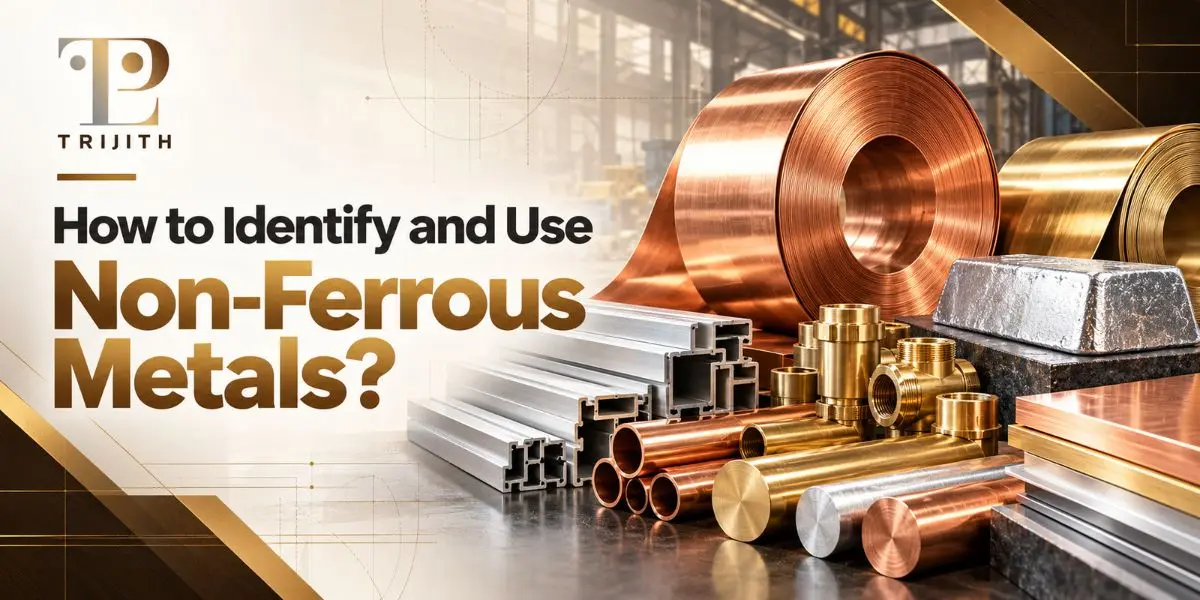
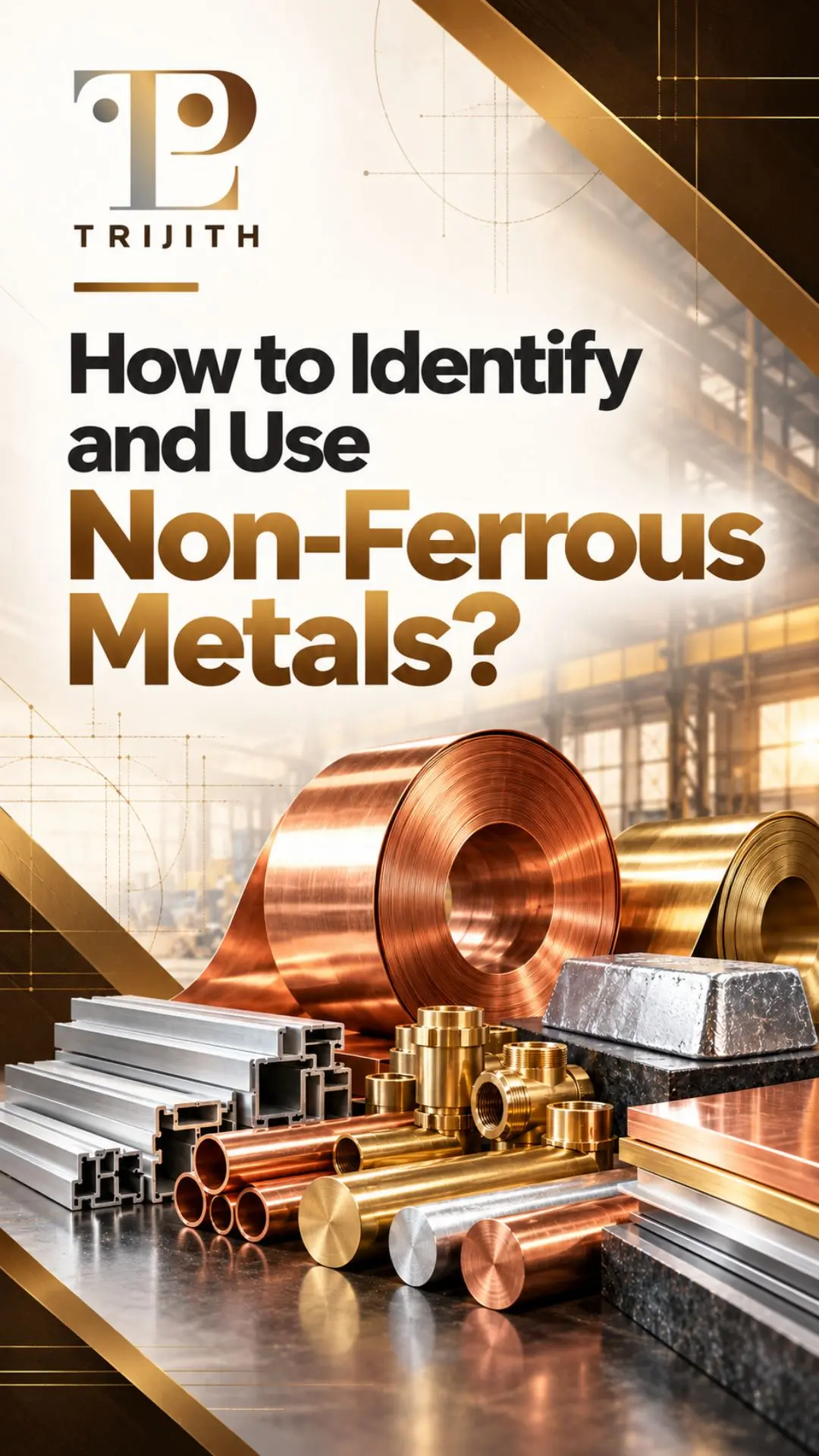
- Copper – reddish brown
- Brass – yellowish gold
- Aluminum – silver-gray
These visual characteristics help engineers and recyclers quickly Identify the metal type.
Fundamental Properties of Non-Ferrous Metals
Non-ferrous metals possess several properties that make them essential in manufacturing.
Lightweight Structure
Metals such as aluminum and magnesium have lower density compared to steel. Consequently, industries use them where weight reduction is important.
High Electrical and Thermal Conductivity
Copper and aluminum conduct electricity and heat extremely well. Therefore, they are widely used in electrical wiring and electronic components.
Corrosion Resistance
Unlike ferrous metals, many non-ferrous metals form protective oxide layers that prevent corrosion and degradation.
Malleability and Ductility
These metals can be shaped, rolled, or stretched into wires without breaking. As a result, manufacturers can produce complex components easily.
Recyclability
Industries can recycle most non-ferrous metals multiple times without losing their properties, which makes them environmentally and economically valuable.
Common Types of Non-Ferrous Metals
Understanding common metals helps engineers and manufacturers select the right material for specific tasks.
Aluminum
Aluminum is lightweight, corrosion-resistant, and widely used in aerospace, automotive, and packaging industries.
Copper
Copper offers excellent electrical conductivity. Therefore, it is commonly used for wiring, plumbing, and electronic devices.
Zinc
Zinc is often used for galvanizing steel and protecting it from corrosion.
Titanium
Titanium combines strength with low weight and corrosion resistance, making it suitable for aerospace and medical applications.
Lead
Lead is dense and corrosion-resistant, so it is often used in batteries and radiation shielding.
Businesses often rely on a trusted Non-Ferrous Metals Supplier to ensure consistent material quality for these applications.
Applications of Non-Ferrous Metals
Because of their versatile properties, non-ferrous metals are used across many industries.
- Aerospace Industry
Aircraft components often use aluminum and titanium because they provide high strength while reducing weight.
- Automotive Manufacturing
Manufacturers use aluminum and magnesium to improve fuel efficiency and reduce vehicle weight.
- Electrical and Electronics
Copper and aluminum conduct electricity efficiently, making them essential for wiring and circuit boards.
- Construction
Copper, aluminum, and zinc are commonly used for roofing, plumbing, and cladding because they resist corrosion.
- Medical Industry
Titanium and other biocompatible metals are widely used in implants and surgical equipment.
Conclusion
In conclusion, learning how to Identify and use non-ferrous metals is essential for modern manufacturing and engineering industries. These metals do not contain iron, which means they are typically lightweight, corrosion-resistant, and non-magnetic. As a result, they play a vital role in industries such as aerospace, electronics, automotive, and construction.
Furthermore, understanding their properties and identification methods helps businesses choose the right material for specific applications. Companies that work with reliable sources, such as a trusted Non-Ferrous Metal Supplier in India, can ensure consistent quality and performance for their industrial projects.