
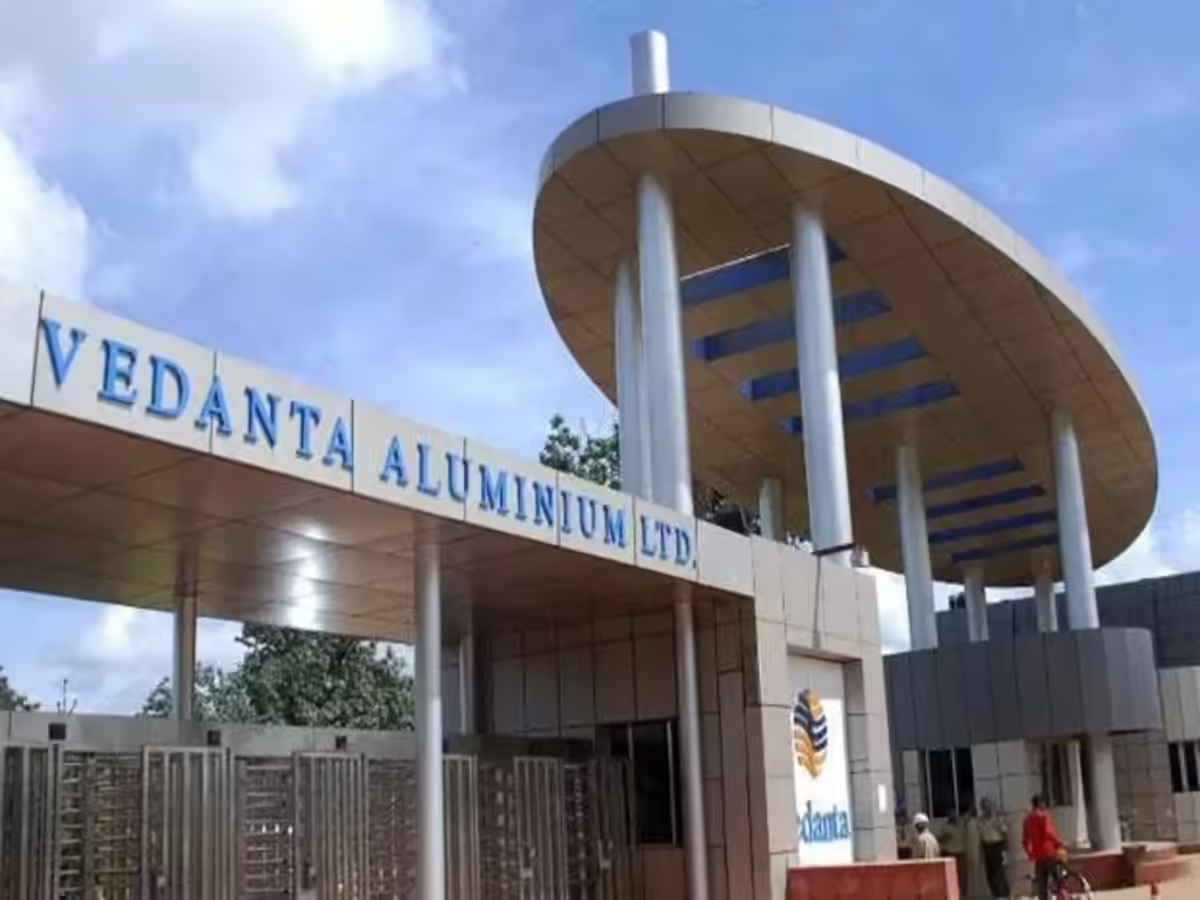
The Indian Aluminium Market: Industry Dynamics, Aluminium Price Trends, and Future Potential
Table of Contents
India has emerged as a major force in the global aluminium industry. Today, the country benefits from abundant bauxite reserves, strong manufacturing capabilities, and rising industrial demand. As a result, the sector continues to expand rapidly across automotive, infrastructure, packaging, and renewable energy industries. Moreover, the growing demand for lightweight and sustainable materials has strengthened India’s position in the global supply chain.
The demand for aluminium products has also increased because industries now prioritize durability, corrosion resistance, and recyclability. Consequently, manufacturers and buyers actively seek reliable raw material partners, including the Best aluminum alloy ingots supplier in India, to support production needs efficiently.
According to market reports, the India aluminium market was valued at nearly USD 13.77 billion in 2024 and is projected to grow at a CAGR of 6.27% through 2030.
Indian Aluminium Market Overview
The Indian Aluminium Market has experienced substantial growth over the last decade. Furthermore, rapid urbanization and government-backed infrastructure projects continue to increase aluminium consumption nationwide.
India currently ranks among the world’s leading aluminium producers and contributes close to 6% of global aluminium production. In addition, the country possesses the fifth-largest bauxite reserves globally, which supports long-term industrial growth.
The Indian Aluminium Market serves several industries, including:
- Automotive and transportation
- Building and construction
- Aerospace and defense
- Packaging and consumer goods
- Electrical and power transmission
- Renewable energy
Production hubs are mainly concentrated in Odisha, Chhattisgarh, and Jharkhand because these states provide access to raw materials and integrated smelting facilities.
Key Players Driving the Indian Aluminium Market
The Indian Aluminium Market is dominated by large integrated companies that control mining, refining, smelting, and downstream processing operations.
Hindalco Industries
Hindalco Industries, a part of the Aditya Birla Group, has built a strong global presence. Additionally, the company manufactures rolled products, foils, and extrusions for domestic and export markets.
Hindalco also invests significantly in recycling initiatives and sustainable production technologies.
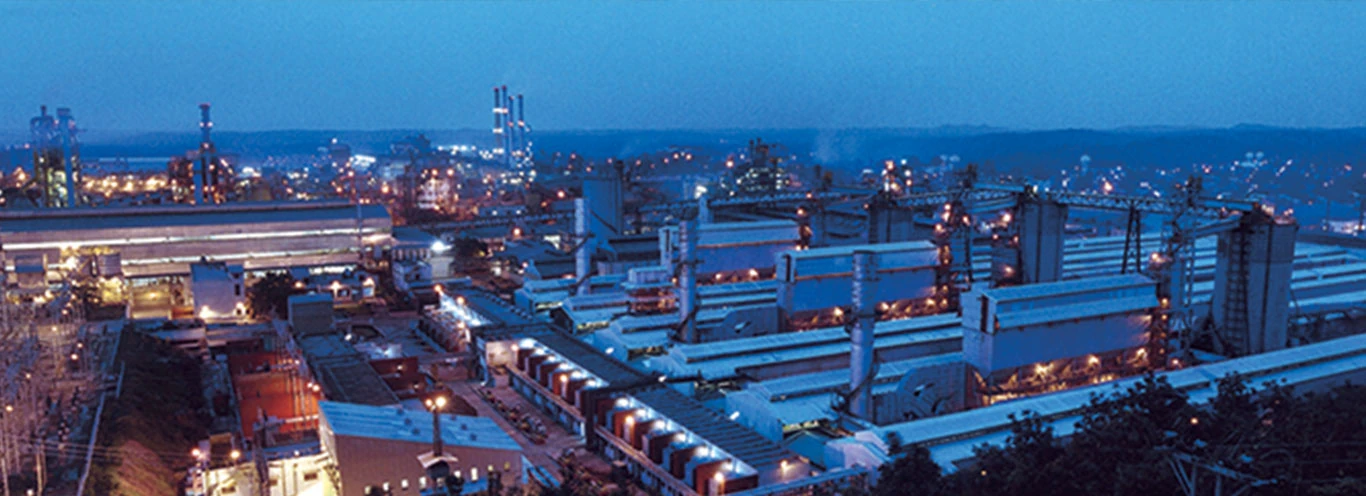
NALCO
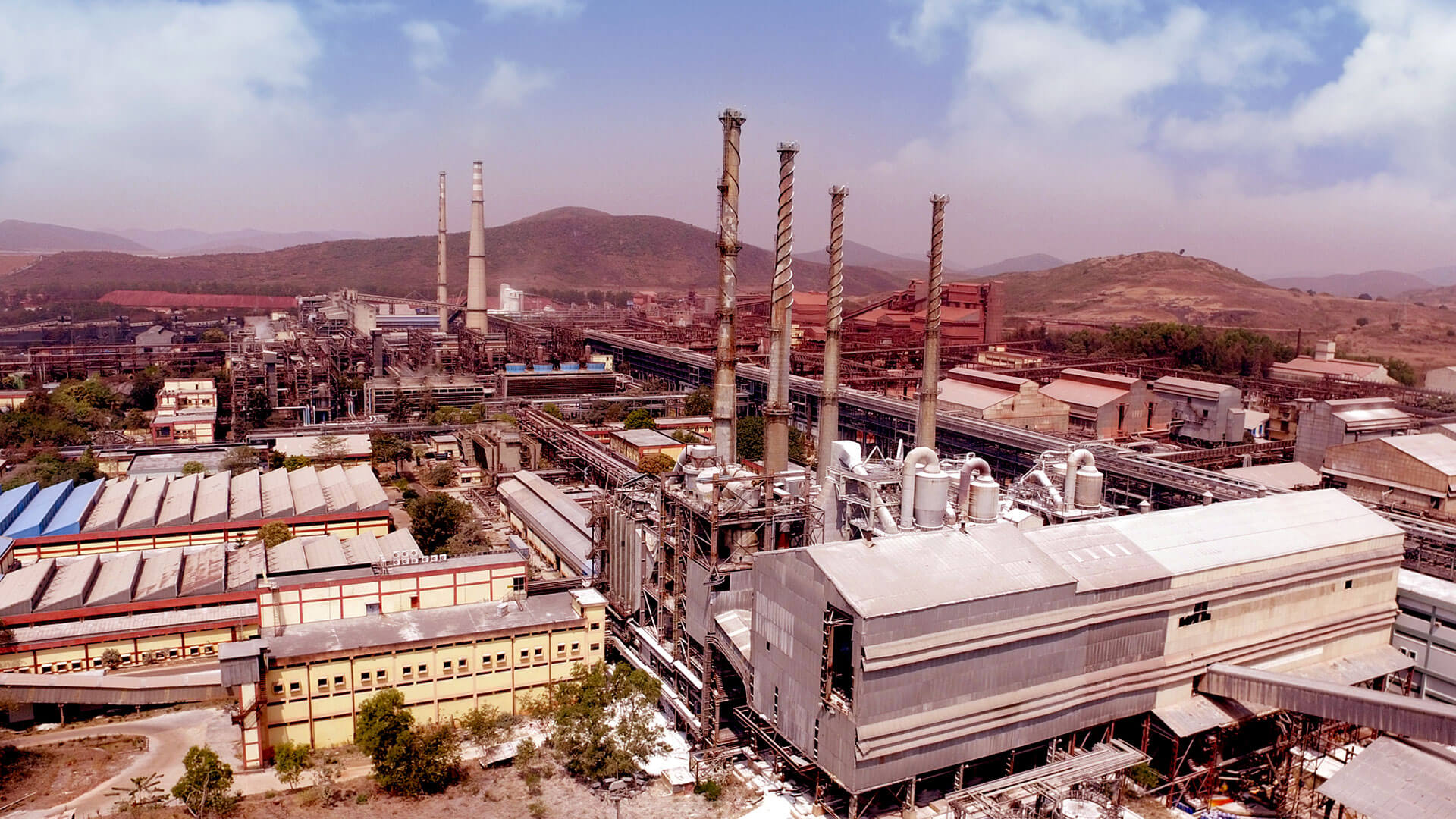
NALCO operates as a major public-sector enterprise in the aluminium industry. Furthermore, it supports sectors like railways, construction, and defense through integrated aluminium production operations.
Indian Aluminium Market Trends and Price Dynamics
The Indian Aluminium Market is strongly influenced by global commodity trends, energy costs, and industrial demand. Aluminium prices often fluctuate because production requires large amounts of electricity and raw materials.
Recently, aluminium prices have remained volatile due to:
- Global energy price fluctuations
- Supply chain disruptions
- Rising infrastructure demand
- Increased EV production
- Renewable energy expansion
At the same time, India’s export capabilities have strengthened under the China+1 strategy. Consequently, international buyers increasingly prefer Indian suppliers for stable and cost-effective aluminium sourcing.
According to recent market analysis, sectors like automotive transportation and infrastructure are expected to remain the strongest demand drivers through 2030.
Growth Drivers in the Indian Aluminium Market
Several important factors continue to accelerate the growth of the Indian Aluminium Market.
Infrastructure Expansion
The Indian government continues to invest heavily in roads, metro systems, airports, and smart cities. Therefore, aluminium demand has increased significantly in structural applications and transportation systems.
Electric Vehicle Adoption
Electric vehicles rely on lightweight materials for better energy efficiency. As a result, aluminium usage in battery enclosures, chassis systems, and thermal management components continues to rise rapidly.
Renewable Energy Development
Solar and wind energy projects require durable and corrosion-resistant materials. Consequently, aluminium demand has grown in solar panel frames and turbine components.
Export Opportunities
India’s cost-effective manufacturing ecosystem gives local producers a competitive advantage. Moreover, global companies seeking alternatives to Chinese suppliers continue to increase sourcing from India.
Challenges Affecting the Indian Aluminium Market
Despite strong growth potential, the Indian Aluminium Market also faces several operational challenges.
High Energy Costs
Aluminium production consumes substantial electricity. Therefore, rising power tariffs directly affect manufacturing costs and profit margins.
Environmental Concerns
Mining activities and red mud disposal create environmental challenges for aluminium producers. However, companies are gradually investing in recycling and waste management solutions.
Logistics and Infrastructure Gaps
Transportation costs remain high for inland smelters. Consequently, efficient logistics infrastructure remains essential for future market competitiveness.
Global Trade Risks
International tariffs and geopolitical tensions can influence aluminium exports. In addition, fluctuations in global commodity prices often impact domestic profitability.
Future Potential of the Indian Aluminium Market
The future outlook for the Indian Aluminium Market remains highly positive. Additionally, increasing industrialization and sustainability goals will continue to drive long-term demand.
Green aluminium production is expected to become a major trend over the next decade. Many companies are already integrating renewable energy sources into smelting operations to reduce carbon emissions.
Furthermore, aluminium recycling presents enormous opportunities because recycled aluminium uses nearly 95% less energy compared to primary production.
India’s downstream aluminium sector also holds massive growth potential in areas such as:
- Rolled products
- Foils and packaging
- Extrusions
- Automotive components
- Aerospace-grade aluminium
Industry experts believe India can become a global manufacturing hub for value-added aluminium products in the coming years.
Conclusion
The Indian Aluminium Market continues to evolve as one of the country’s most important industrial sectors. Supported by infrastructure growth, renewable energy expansion, and rising EV adoption, the industry is positioned for long-term success. Moreover, government initiatives and export opportunities continue to strengthen India’s role in the global aluminium value chain.
Although challenges such as energy costs and environmental concerns remain, innovation and sustainable manufacturing practices can help overcome these barriers. Therefore, businesses operating in this sector should focus on advanced technologies, recycling initiatives, and efficient supply chains to stay competitive.
As industrial demand rises further, partnering with a reliable aluminum alloy ingots supplier in India can help manufacturers ensure quality, consistency, and long-term operational growth.