TRIJITH INTERNATIONAL PVT LTD

guide to lead smelting
lead smelting

The Ultimate Guide to Lead Smelting:
What It Is and How It Works

Table of Contents

Lead recycling plays a major role in modern manufacturing because industries reuse lead in batteries, cables, alloys, and shielding products. Therefore, understanding the complete recycling process is essential for manufacturers and recyclers alike. Today, many industries rely on the Best lead ingots supplier in India to obtain high-quality refined lead for industrial applications. Moreover, one of the most important stages in this recycling chain is Lead Smelting, which helps recover valuable lead from used batteries and industrial waste.

What Is Lead Smelting?

what is lead smelting

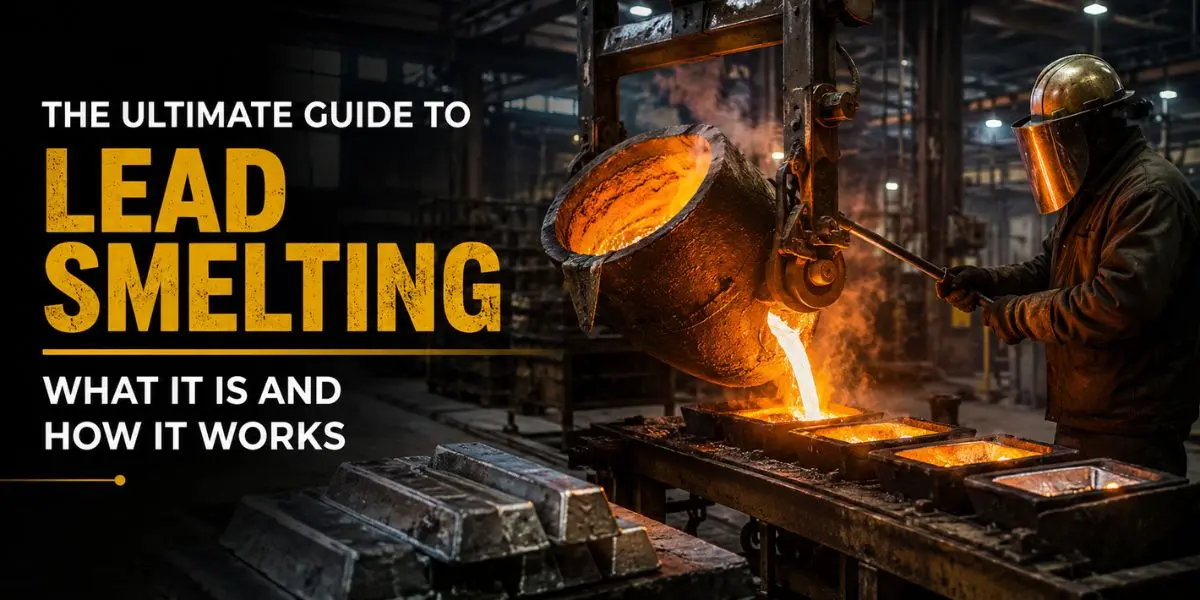
Lead Smelting is a high-temperature metallurgical process used to extract lead from recycled batteries, lead ore, or scrap materials. During this process, lead-containing materials are heated inside specialized furnaces so that the metal melts and separates from impurities. As a result, manufacturers can recover reusable lead for new industrial products.

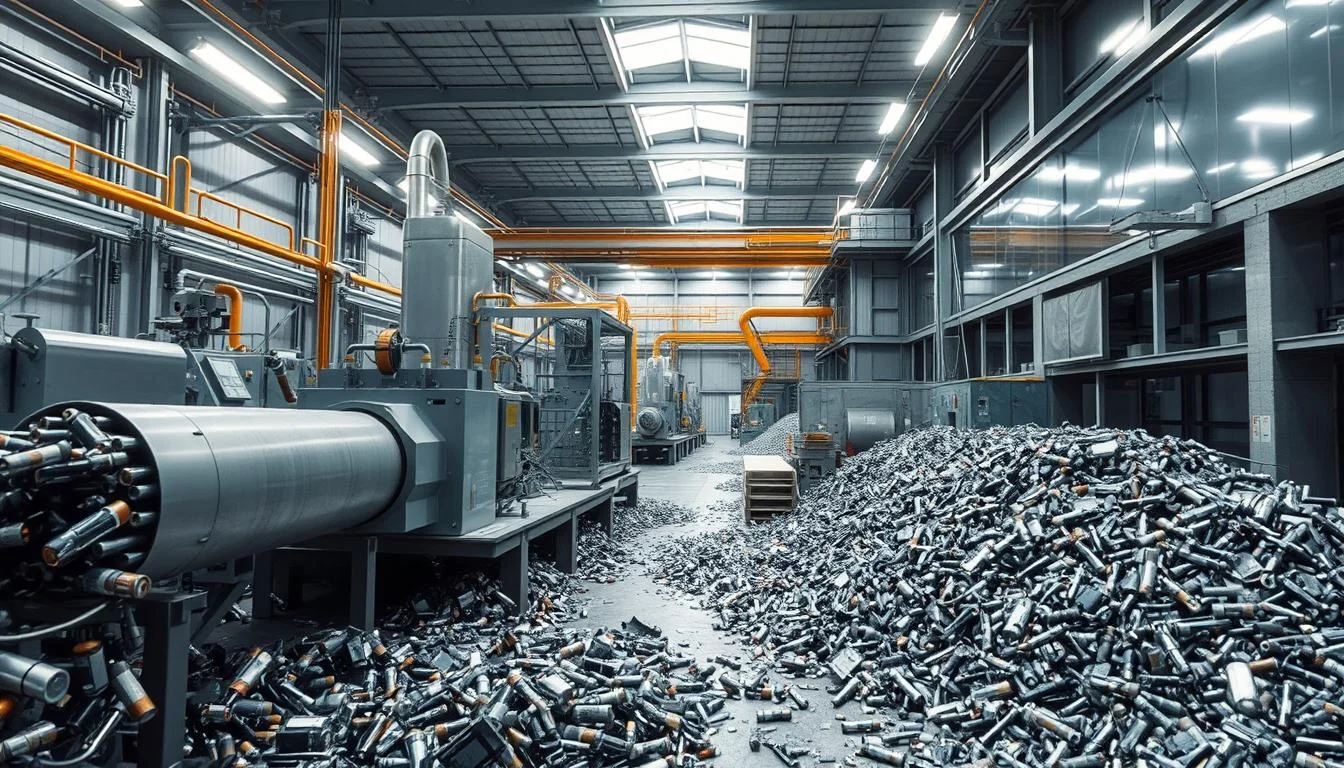
In most recycling plants, used lead-acid batteries are broken into different parts, including plastic, lead plates, and lead oxide paste. After separation, the lead-bearing materials move to the furnace for further processing. According to industrial refining references, secondary lead production mainly comes from recycling lead-acid batteries because recycled lead is easier to refine and reuse.
How Lead Smelting Works

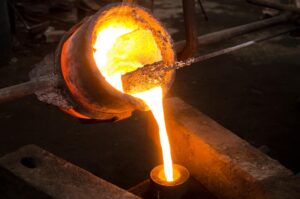
The Lead Smelting process begins by loading lead plates and lead paste into a furnace. Then, operators heat the material to temperatures close to 1,200°C. At this temperature, the lead melts while unwanted impurities form slag and separate from the molten metal.

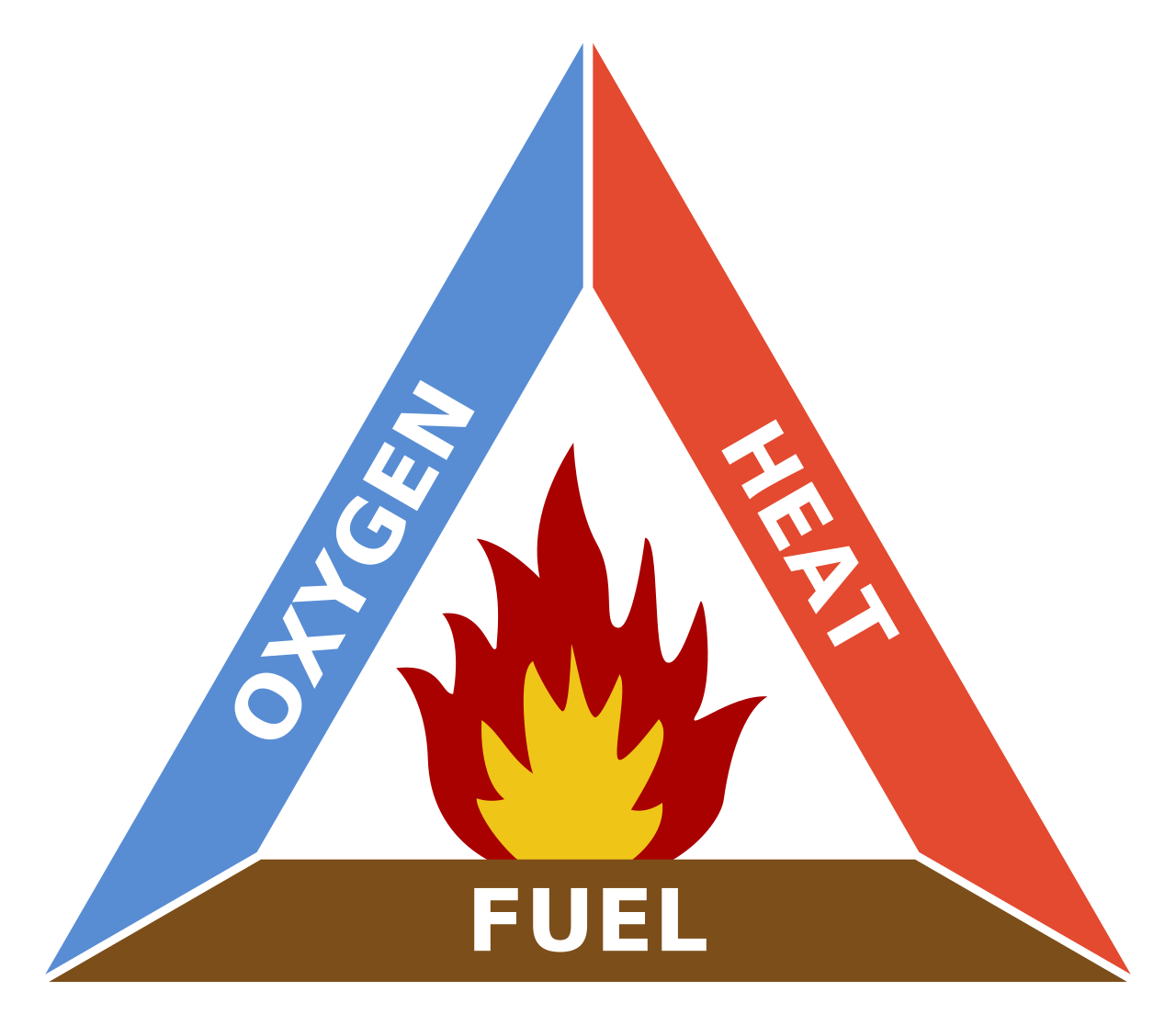
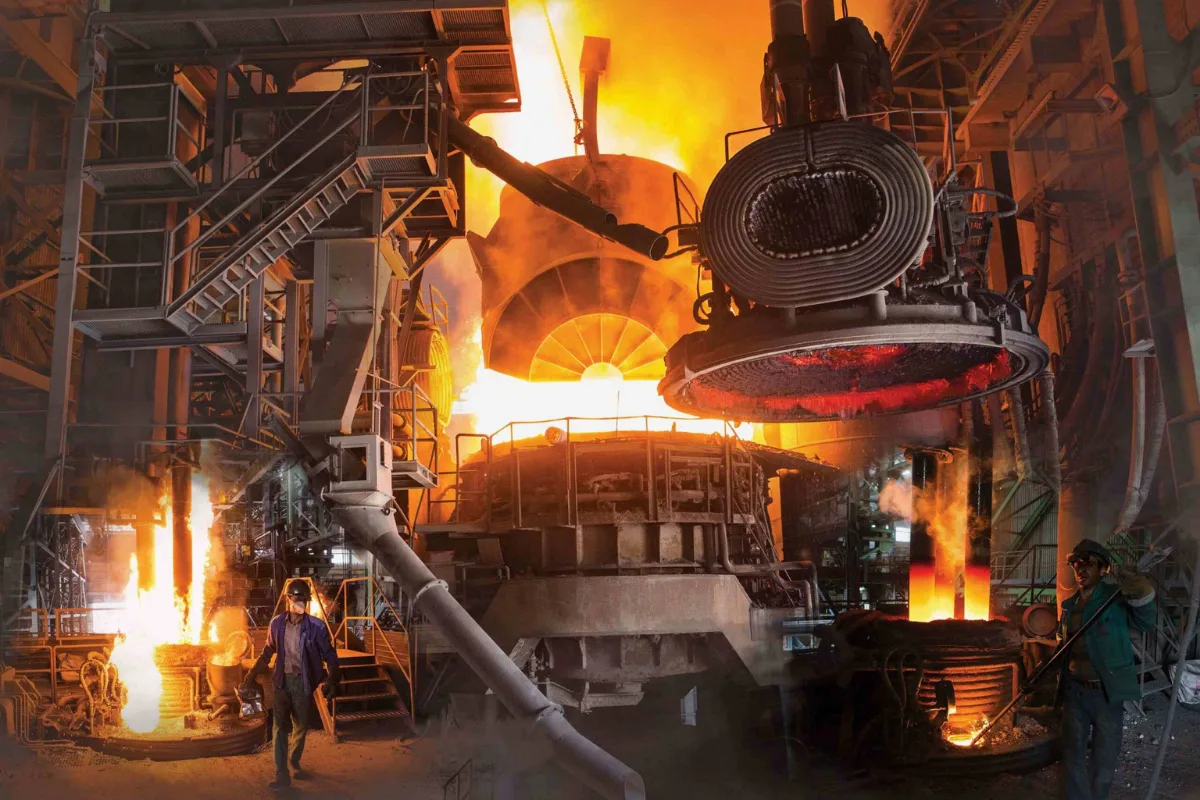
Furthermore, furnaces use fuel sources such as natural gas, oil, coal, or electricity to maintain the required heat. In many recycling plants, blast furnaces and rotary furnaces are commonly used because they support continuous operation and efficient metal recovery.

After melting, workers collect the molten lead and cast it into blocks or ingots. However, the process does not end there because the recovered metal still contains impurities that require further refining.

Lead Smelting Furnace and Its Main Zones

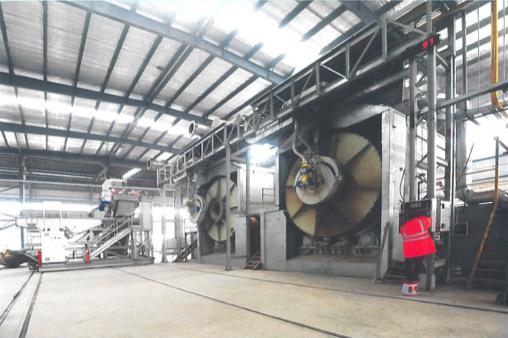
A furnace is the heart of the Lead Smelting operation. Typically, the furnace contains heat-resistant materials such as refractory bricks and ceramic linings that withstand extreme temperatures.

The furnace usually has three major zones:

Charging Zone

charging zone

This upper section receives the lead-containing material. Here, operators continuously feed recycled battery paste, lead plates, or ore into the system.

Combustion Zone

This middle section generates intense heat through fuel combustion and oxygen supply. Consequently, the lead material melts and separates from non-metallic substances.

fuel combustion and oxygen supply

Tapping Zone

lower section collects molten lead

This lower section collects molten lead. Afterward, operators safely remove the liquid metal for casting and refining.

Industrial references explain that rotary furnaces and blast furnaces are widely used because they provide efficient heat transfer and improved recovery rates.

Important Functions in Lead Smelting Plants

important functions in lead smelting plants

Modern recycling plants use advanced systems to improve efficiency and reduce emissions. Therefore, many facilities include specialized equipment for safe and sustainable operations.

Some major functions include:

  • Rotary furnace systems for melting lead paste and grids
  • Refining kettles for alloy purification
  • Exhaust gas filtration systems
  • Bag filters designed specifically for lead particles
  • Water quencher systems for dioxin control
  • Sodium bicarbonate reactors for reducing harmful gases

In addition, advanced pollution-control systems help manufacturers maintain environmental safety standards during the recycling process.

Lead Refining Process After Smelting

After Lead Smelting, the recovered metal undergoes refining to achieve high purity levels. First, manufacturers perform electrolysis by placing lead ingots in a sulfuric acid solution and passing electric current through the bath. As a result, remaining impurities move away from the lead.

Next, refiners add zinc and magnesium to remove additional contaminants such as copper, arsenic, tin, antimony, and bismuth. These impurities form slag that workers skim from the molten surface.

According to industrial refining studies, modern refining systems can produce lead purity levels close to 99.985%.

Why Lead Smelting Is Important

Lead Smelting supports sustainability because it allows industries to recycle used batteries instead of extracting new raw materials. Consequently, recycling helps conserve natural resources and reduce industrial waste.

Research also shows that recycled lead production requires less energy than producing lead from raw ore. Moreover, battery recycling reduces landfill waste and supports the circular economy.

Conclusion

In conclusion, Lead Smelting is a highly technical yet essential process in the battery recycling industry. It helps recover valuable lead from used batteries, removes impurities through refining, and produces reusable metal for industrial manufacturing. Furthermore, modern furnaces, filtration systems, and refining technologies have made the process more efficient and environmentally responsible. Therefore, industries seeking reliable recycled lead products often work with a trusted lead ingots supplier in India for consistent quality and performance.