TRIJITH INTERNATIONAL PVT LTD

Drives Copper Prices

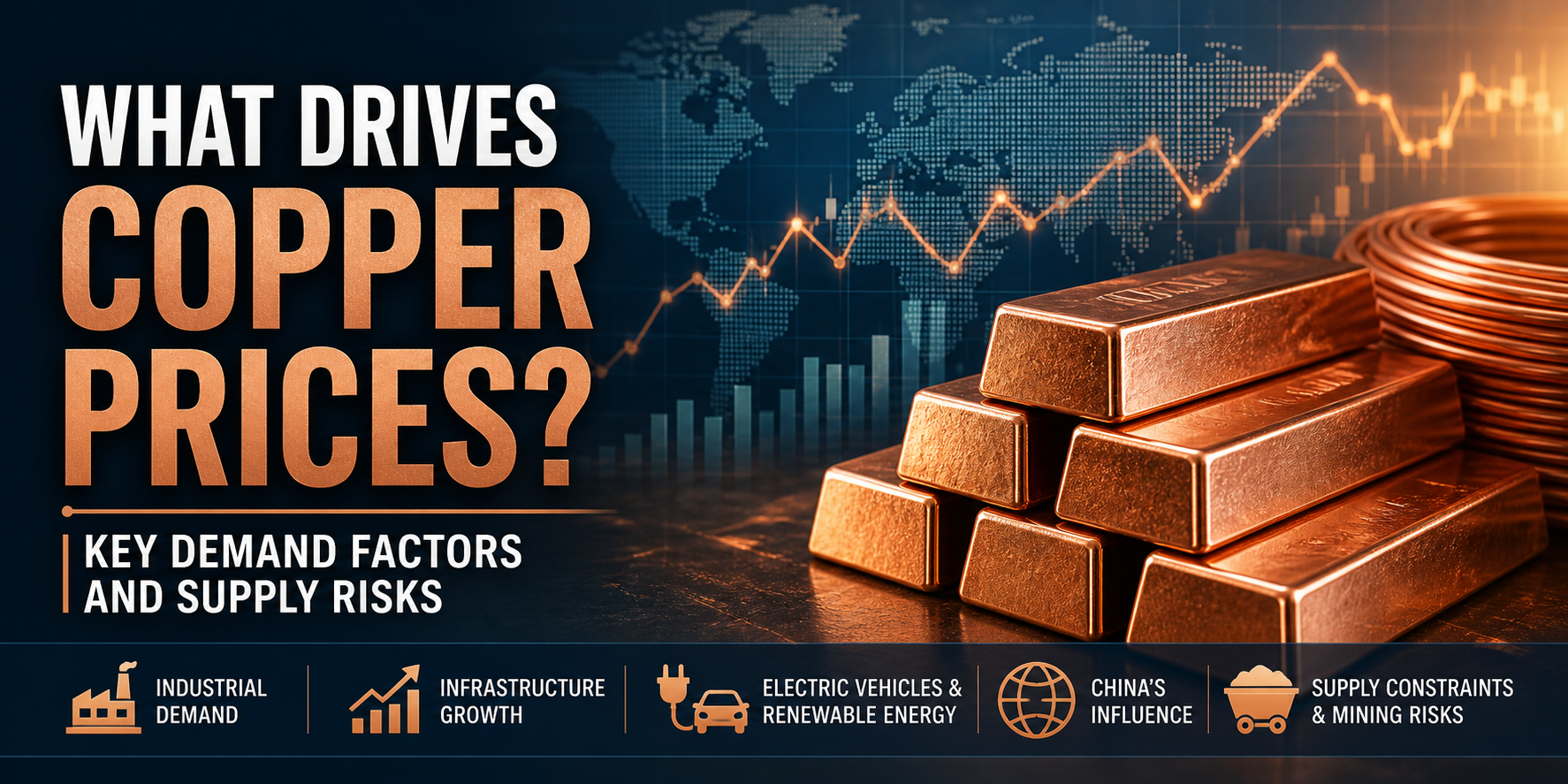
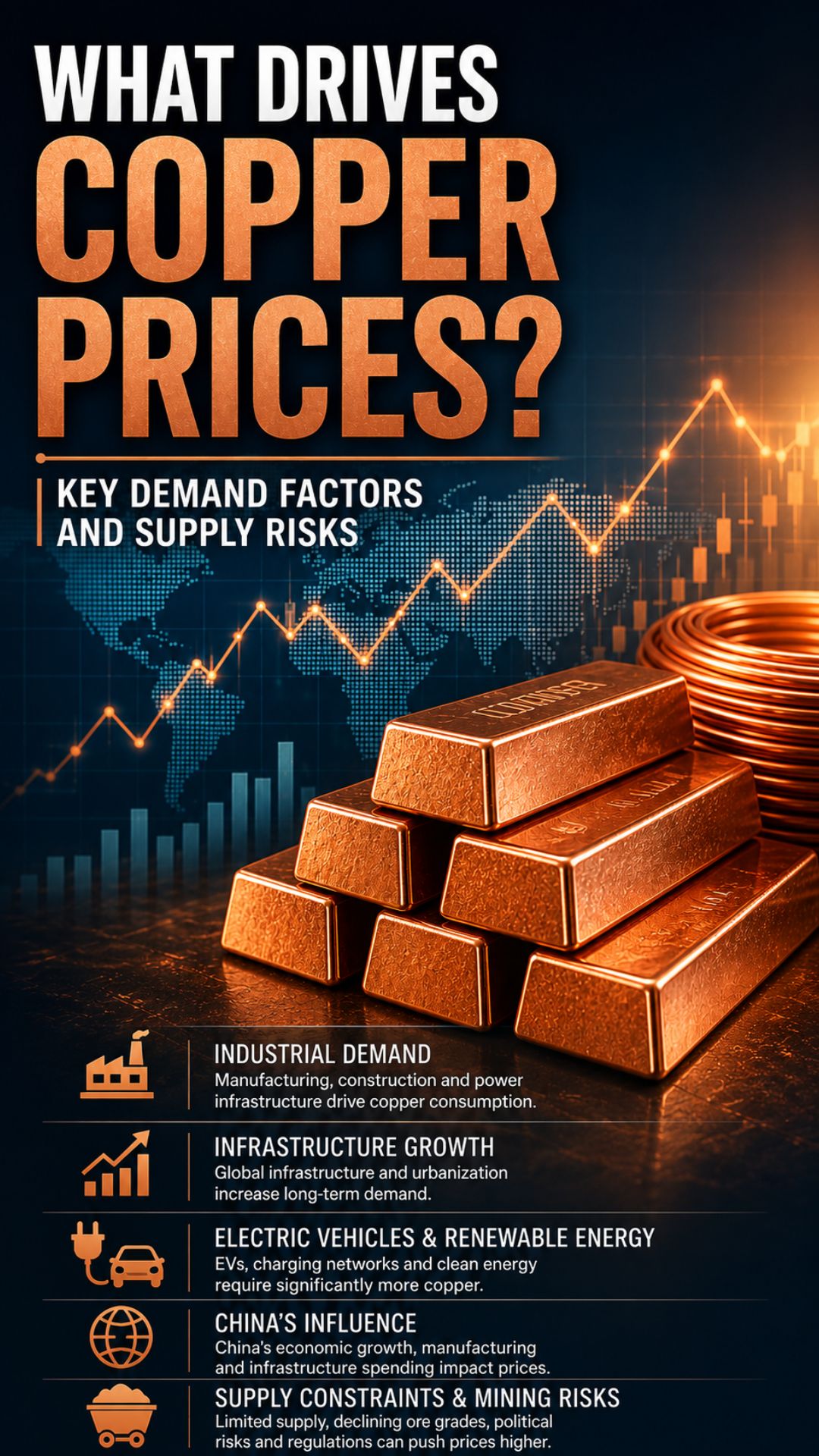
What Drives Copper Prices? Key Demand Factors and Supply Risks

Table of Contents

Copper is one of the world’s most important industrial metals. Because industries widely use it in construction, power grids, transportation, and electronics, the Copper Price often reflects the overall health of the global economy. In recent years, rising electrification and renewable energy investments have increased demand even further. Therefore, investors and manufacturers closely monitor copper market movements.

Moreover, businesses connected to metal manufacturing and trading, including the Best copper ingots supplier in india, also pay close attention to these trends because raw material costs directly affect production and supply chains.

Why Copper Is Known as an Economic Indicator

Copper Is Known as an Economic Indicator

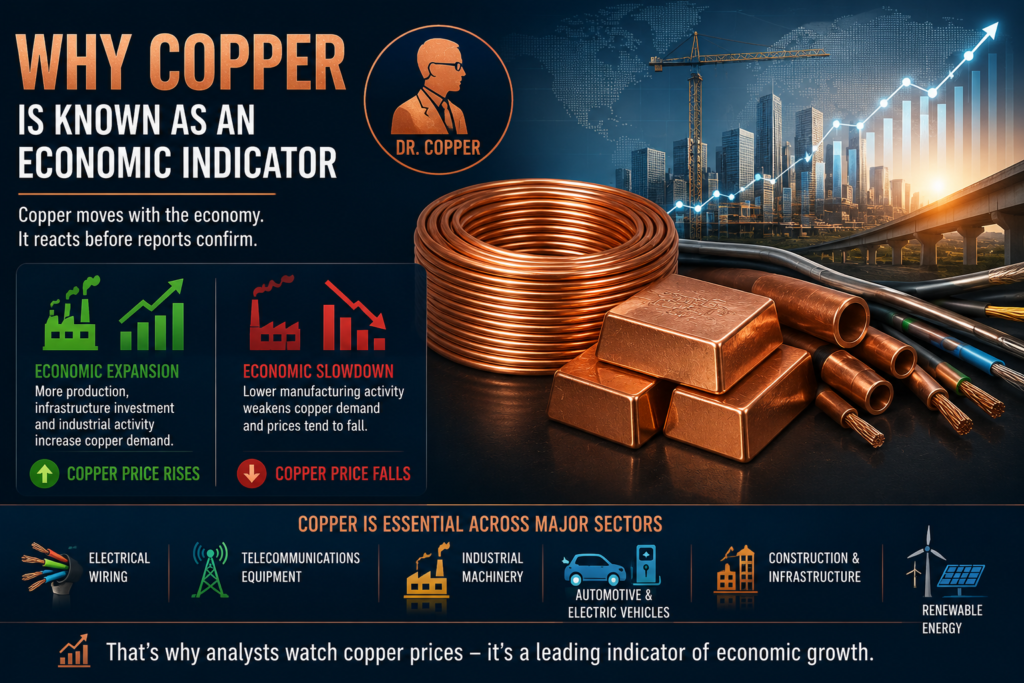
Experts often call copper “Dr. Copper” because it can predict economic conditions before official reports appear. When factories increase production and governments invest in infrastructure, copper demand rises quickly. As a result, the Copper Price usually climbs during economic expansion.

However, when manufacturing activity slows, copper demand weakens. Consequently, prices tend to fall. Unlike gold, which investors buy mainly during uncertainty, copper responds strongly to real industrial activity.

Furthermore, copper is used in almost every major sector. From electrical wiring to telecommunications equipment, industries depend on it daily. Therefore, many analysts view the Copper Price as a leading indicator of economic growth.

Copper Price and Infrastructure Development

Construction Sector Demand

Construction Sector Demand

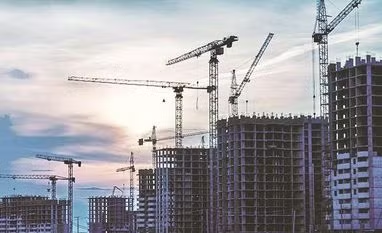
The construction industry remains one of the largest consumers of copper worldwide. Buildings require copper for electrical wiring, plumbing systems, heating equipment, and roofing applications. Therefore, rapid urban development directly supports the Copper Price.

Additionally, developing countries continue investing heavily in housing and smart city projects. Because of this, global copper consumption continues to increase steadily.

Power Grid Expansion

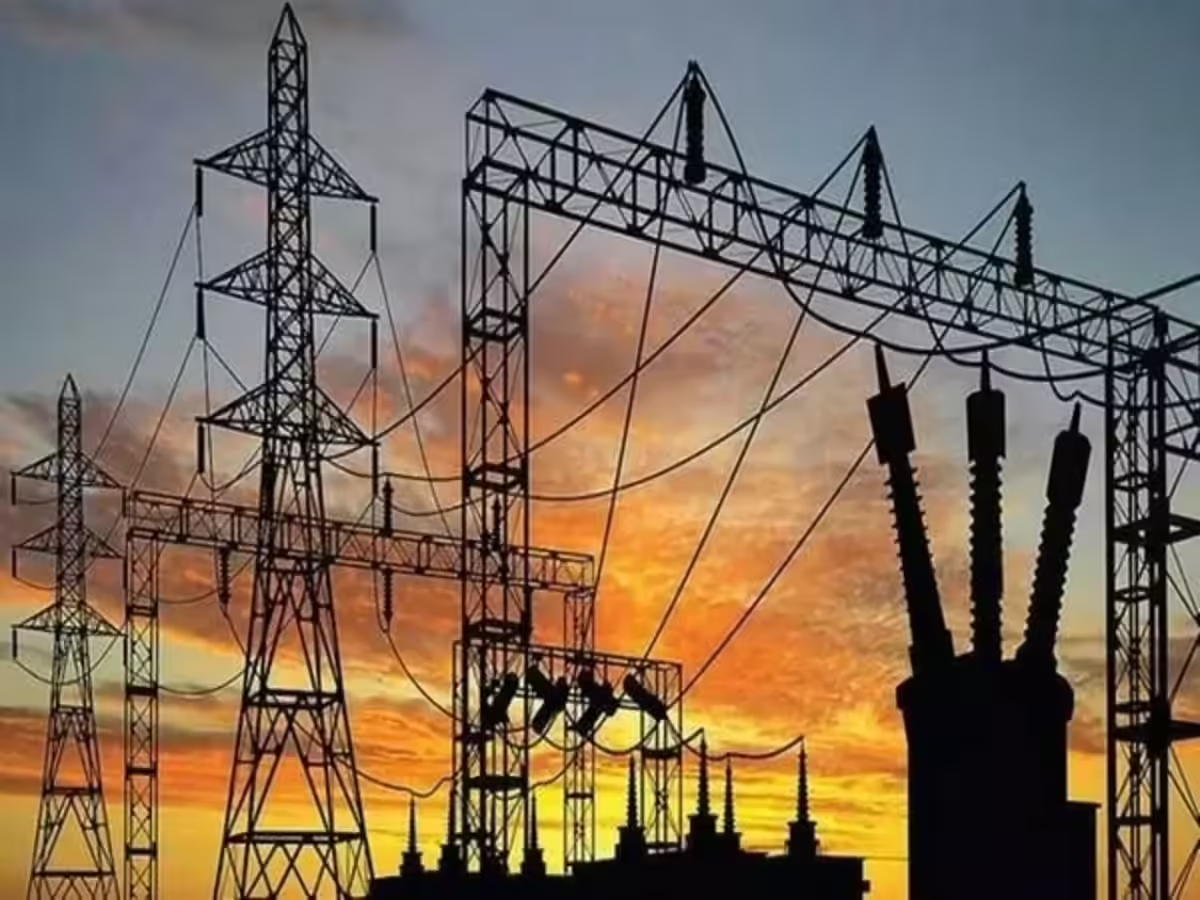
Modern power infrastructure also requires large quantities of copper. Electrical transmission systems, transformers, and renewable energy installations all depend on copper conductivity. Consequently, growing investment in energy infrastructure strengthens the Copper Price globally.

According to industry studies, renewable energy systems and grid modernization projects are becoming major long-term demand drivers for copper.

Power Grid Expansion

How Electric Vehicles Affect Copper Price

Electric vehicles are transforming global copper demand. A conventional gasoline-powered car uses significantly less copper compared to an electric vehicle. Research from the International Copper Association shows that EVs contain roughly three to four times more copper than traditional vehicles.

Rising EV Production

Rising EV Production

Electric vehicles require copper in batteries, motors, charging stations, and high-voltage cables. Therefore, as EV adoption increases worldwide, the Copper Price gains strong long-term support.

Furthermore, governments across the world continue promoting clean transportation policies. As a result, analysts expect copper demand from EV manufacturing to rise for decades.

Renewable Energy Growth

Solar panels, wind turbines, and energy storage systems also consume large amounts of copper. Consequently, the global transition toward renewable energy continues pushing the Copper Price higher.

According to S&P Global research, electrification and clean energy expansion are major structural drivers of future copper demand.

China’s Influence on Copper Price

China’s Influence on Copper Price

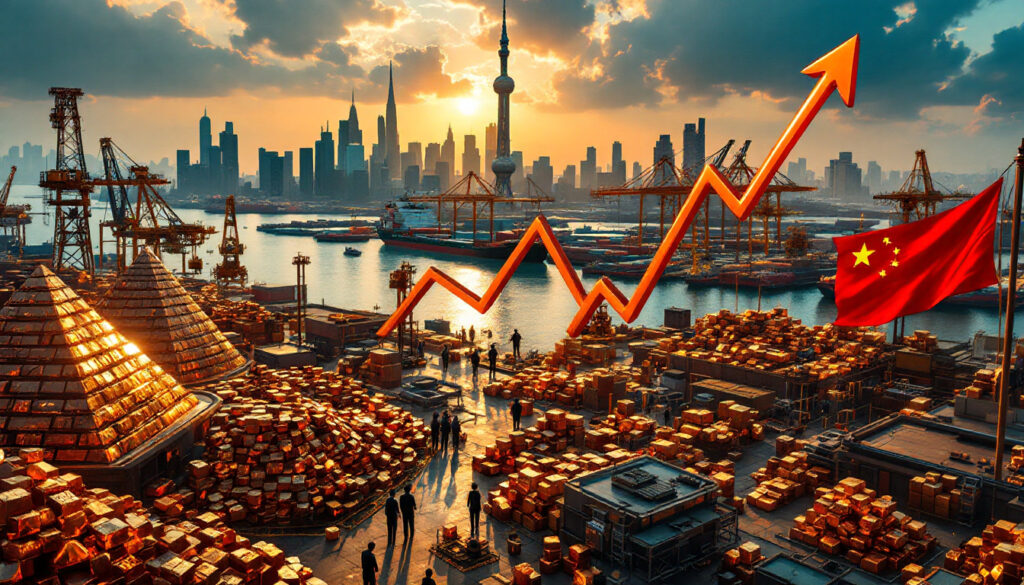
China plays a critical role in the global copper market because it consumes more than half of the world’s copper supply. Therefore, Chinese economic activity strongly impacts the Copper Price.

Infrastructure Spending in China

When the Chinese government increases infrastructure spending, copper demand rises immediately. Roads, railways, power projects, and real estate development all require massive copper usage. Consequently, prices often move upward during periods of Chinese economic stimulus.

On the other hand, weaker property markets or slowing industrial production can pressure copper prices downward.

Manufacturing Activity

China is also the world’s largest manufacturing hub. Electronics, appliances, machinery, and export industries all depend heavily on copper. Therefore, Chinese factory output directly affects the global Copper Price trend.

Because of this influence, investors regularly monitor Chinese manufacturing data and purchasing managers’ indexes.

Supply Risks That Impact Copper Price

Demand alone does not determine copper prices. Supply disruptions can also create major price volatility.

Mining Concentration Risks

A large portion of global copper production comes from countries such as Chile and Peru. Political instability, labor strikes, and regulatory changes in these regions can reduce supply quickly. Consequently, sudden disruptions often increase the Copper Price sharply.

Declining Ore Grades

Mining companies also face declining ore quality in older mines. Lower ore grades increase extraction costs and reduce production efficiency. Therefore, supply growth remains limited even during periods of strong demand.

Additionally, new copper mining projects require long development timelines. Industry experts estimate that bringing a new copper mine into production may take 10 to 15 years.

Environmental Regulations

Environmental Regulations

Environmental approvals and water usage restrictions have become stricter worldwide. As a result, many mining projects face delays or cancellations. Consequently, supply shortages continue supporting higher copper prices over the long term.

Copper Price Across Economic Cycles

Copper usually performs well during the early stages of economic recovery. Manufacturing activity rebounds, infrastructure spending increases, and industrial demand strengthens. Therefore, the Copper Price often rises rapidly during this phase.

Copper Price Across Economic Cycles

However, during economic slowdowns or recessions, copper demand weakens significantly. As a result, prices can decline sharply before official economic data confirms the downturn.

Nevertheless, long-term investors often view such periods as opportunities because structural copper demand remains strong due to electrification and renewable energy growth.

Conclusion

The Copper Price depends on several important factors, including industrial demand, infrastructure investment, Chinese economic activity, and mining supply risks. Moreover, electric vehicles, renewable energy systems, and global electrification trends continue increasing long-term copper demand.

At the same time, supply constraints, declining ore grades, and regulatory challenges may limit future production growth. Therefore, copper is expected to remain one of the most strategically important industrial metals in the global economy.

Businesses involved in copper manufacturing and trading, including a reliable copper ingots supplier in india, must closely monitor these market trends to adapt to changing demand and pricing conditions.