TRIJITH INTERNATIONAL PVT LTD

Circular Economy

How the Scrap Industry Powers the Circular Economy

Table of Contents

In recent years, the concept of a Circular Economy has moved from sustainability buzzword to industrial strategy. In fact, industries worldwide are rethinking how materials flow through society — not once, but repeatedly. The scrap industry showcases this shift clearly, as it transforms discarded metals into feedstock for new production.  Moreover, this process not only diverts waste but also conserves energy, reduces emissions, and strengthens economic resilience. Companies such as the Best aluminum scrap supplier in India further strengthen this transition by ensuring a steady supply of quality recycled materials to manufacturers. Ultimately, the scrap industry plays a crucial role in powering a true Circular Economy in manufacturing and beyond.

What Is Circular Economy and Why It Matters

Circular Economy

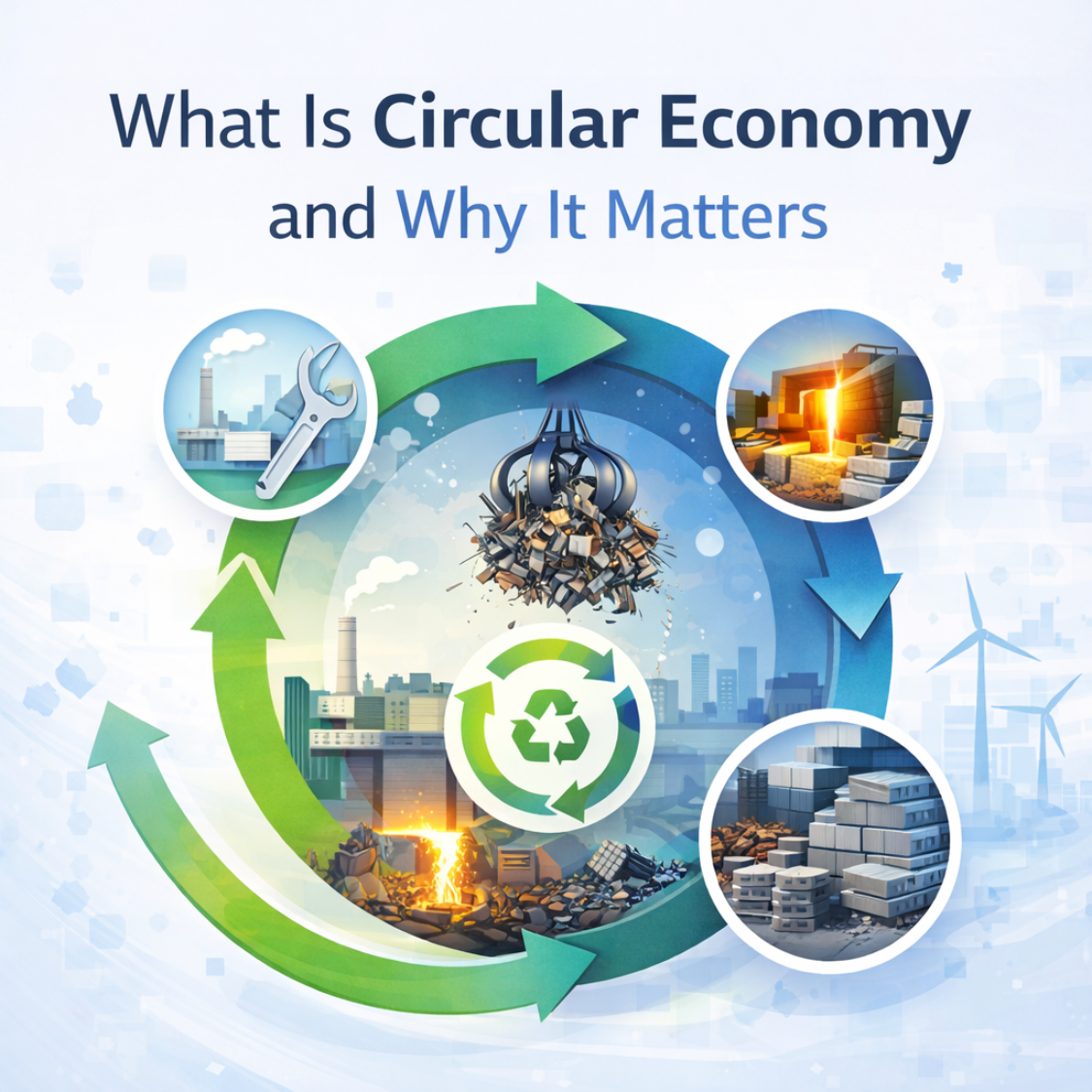
At its core, a Circular Economy is an economic system designed to keep resources in use for as long as possible. Instead of following the traditional take–make–dispose model, industries reuse, refurbish, repair, and recycle materials to maximize their lifecycle and reduce environmental impact.

This shift is essential because global demand for raw materials continues to grow rapidly, often faster than natural resources can regenerate.

Metals are particularly suitable for a Circular Economy because they can be recycled repeatedly without losing their quality. Steel, for example, is one of the most recycled materials on the planet, with billions of tonnes reused every year. This makes it a fundamental component of circular manufacturing systems worldwide.
Environmental Benefits: Energy, Emissions, and Resources

Circular Economy

One of the most important advantages of metal recycling is its significant energy savings.

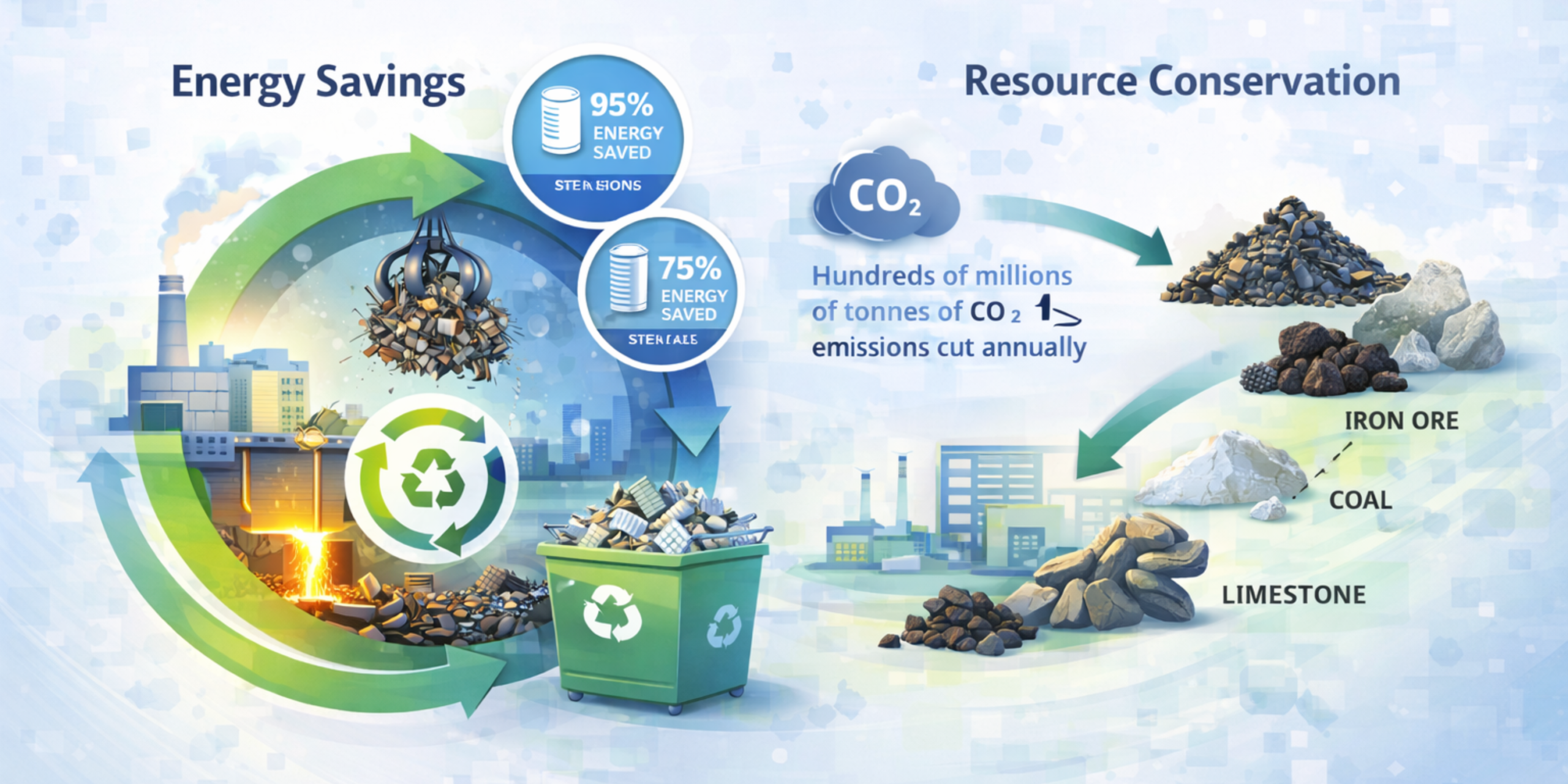
Recycling aluminum can save up to 95% of the energy required to produce aluminum from raw bauxite ore. Similarly, producing steel from scrap can reduce energy consumption by up to 75% compared to traditional production methods using iron ore.

Because of these energy savings, scrap recycling plays a major role in reducing greenhouse gas emissions. In fact, global metal recycling prevents hundreds of millions of tonnes of carbon emissions every year — an environmental impact comparable to removing millions of cars from the roads.

Resource conservation is another major benefit. Every tonne of recycled steel saves valuable natural resources such as iron ore, coal, and limestone. By reducing the need for mining, the Circular Economy helps protect ecosystems, minimize land disruption, and reduce water consumption associated with resource extraction.

The Scrap Industry in Action

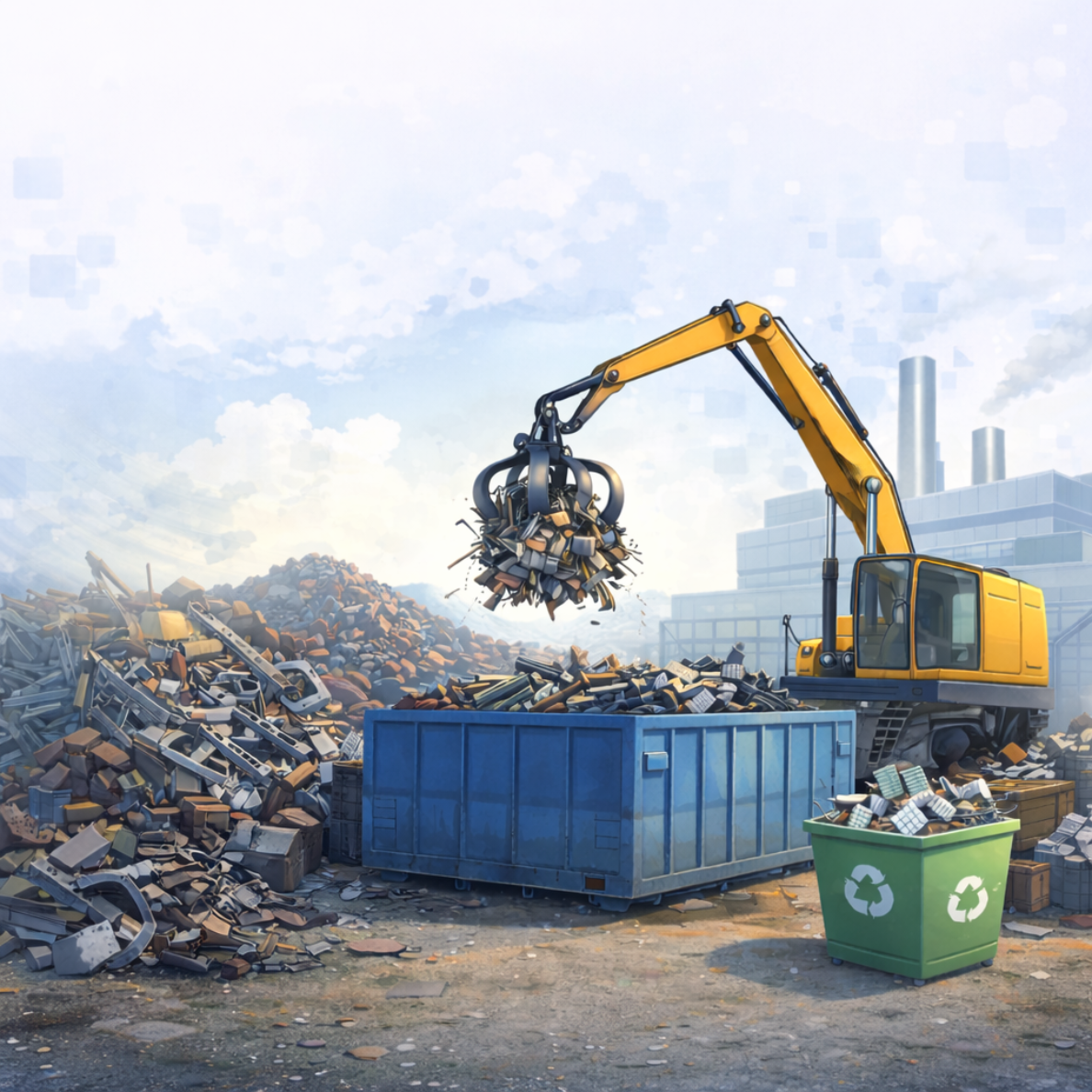
To illustrate how the scrap industry fuels a Circular Economy, consider the lifecycle of metals:

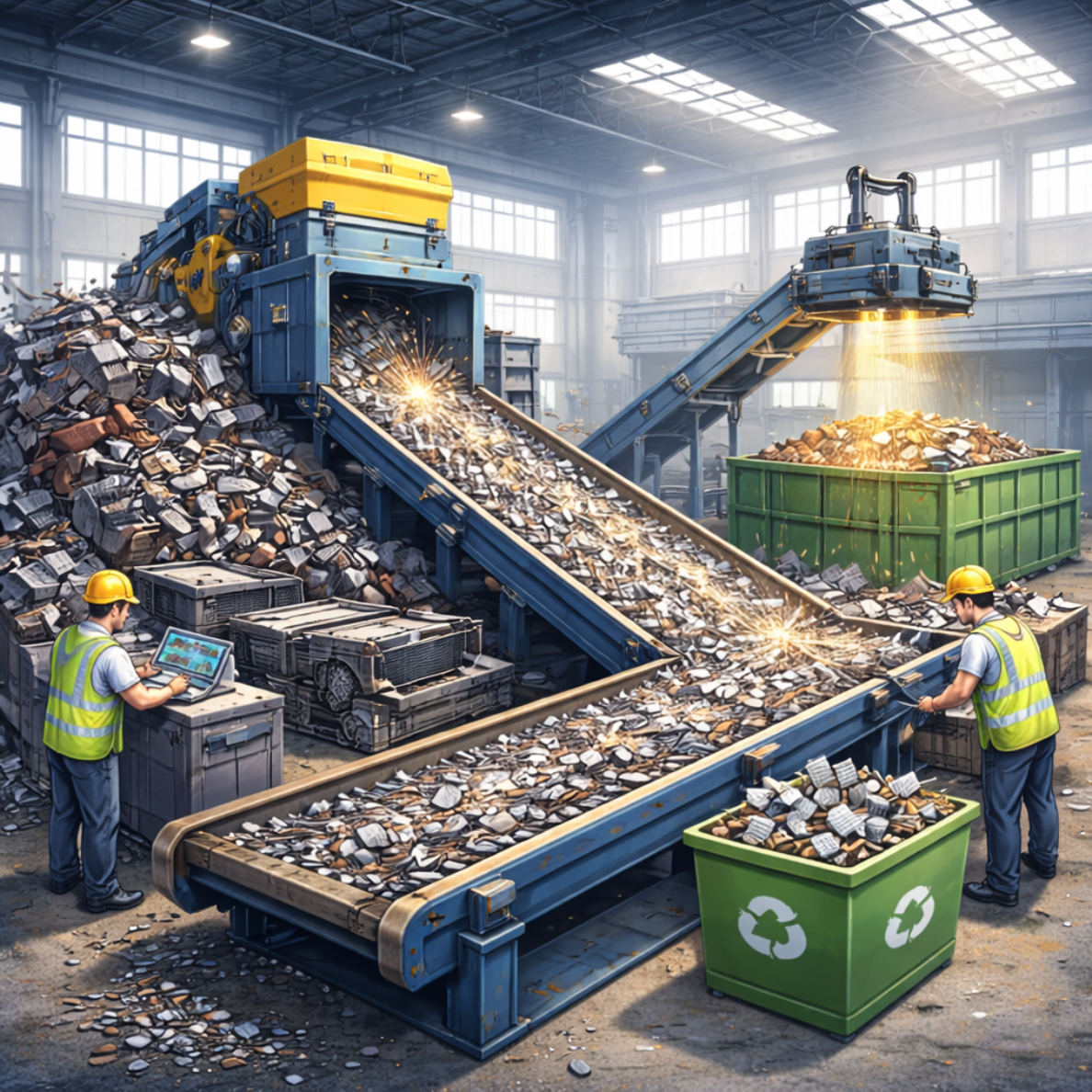
Collection and Sorting

Scrap is gathered from industrial sites, demolition projects, and end-of-life products.

Processing

 Materials are sorted and prepared for recycling through shredding and cleaning.

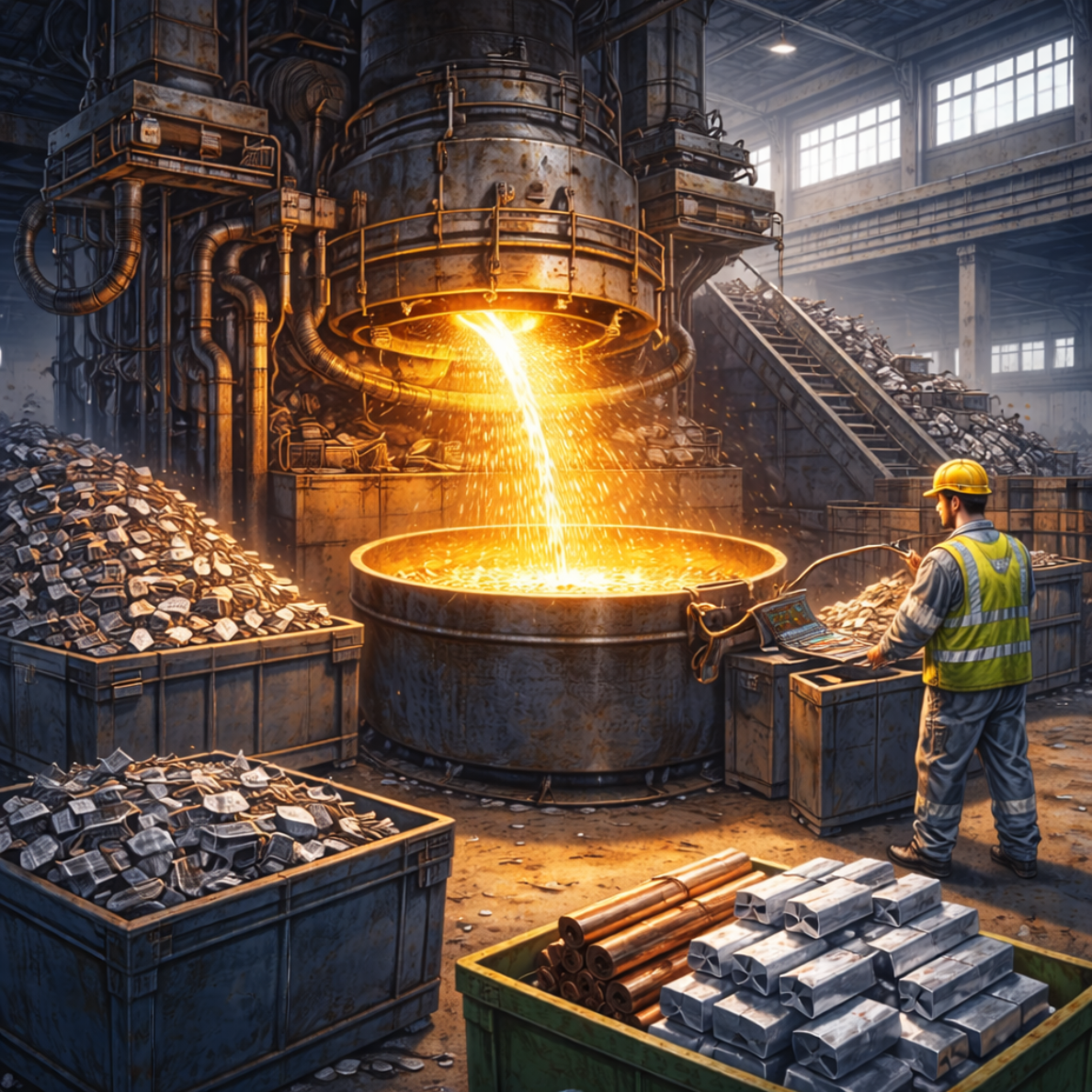
Melting and Refining

Recycled metals enter furnaces where they are melted and purified.

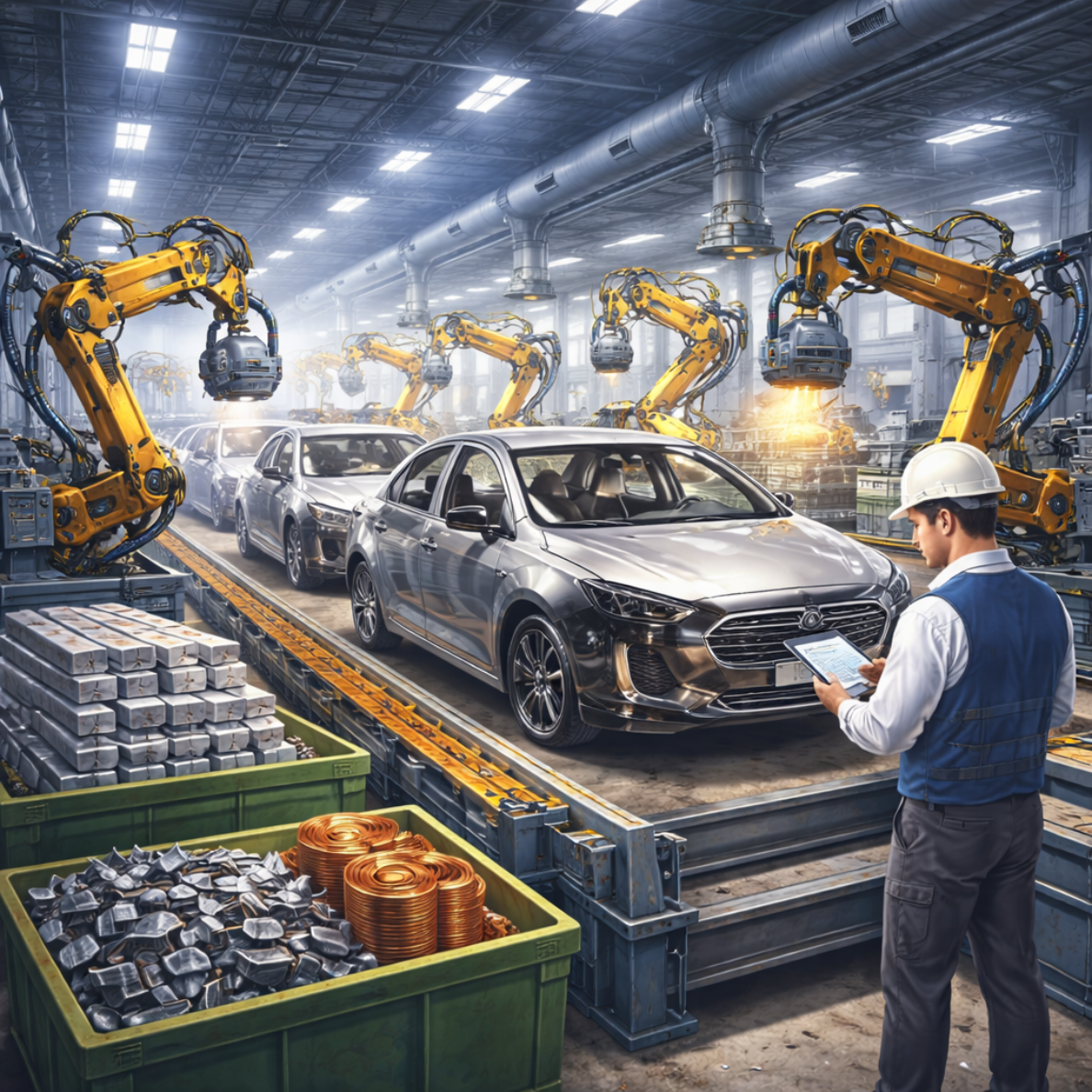
Reuse in Manufacturing

Finally, recovered metals reenter production lines to create new products.

This cycle keeps materials in circulation and reduces landfill waste, all while maintaining material quality and economic value.

Importantly, this process applies not just to steel, but to non-ferrous metal scrap products as well. Metals like copper, brass, and aluminum contribute significantly to sustainable manufacturing due to their high recyclability and strong market demand.

Economic Benefits and Industry Growth

Circular Economy

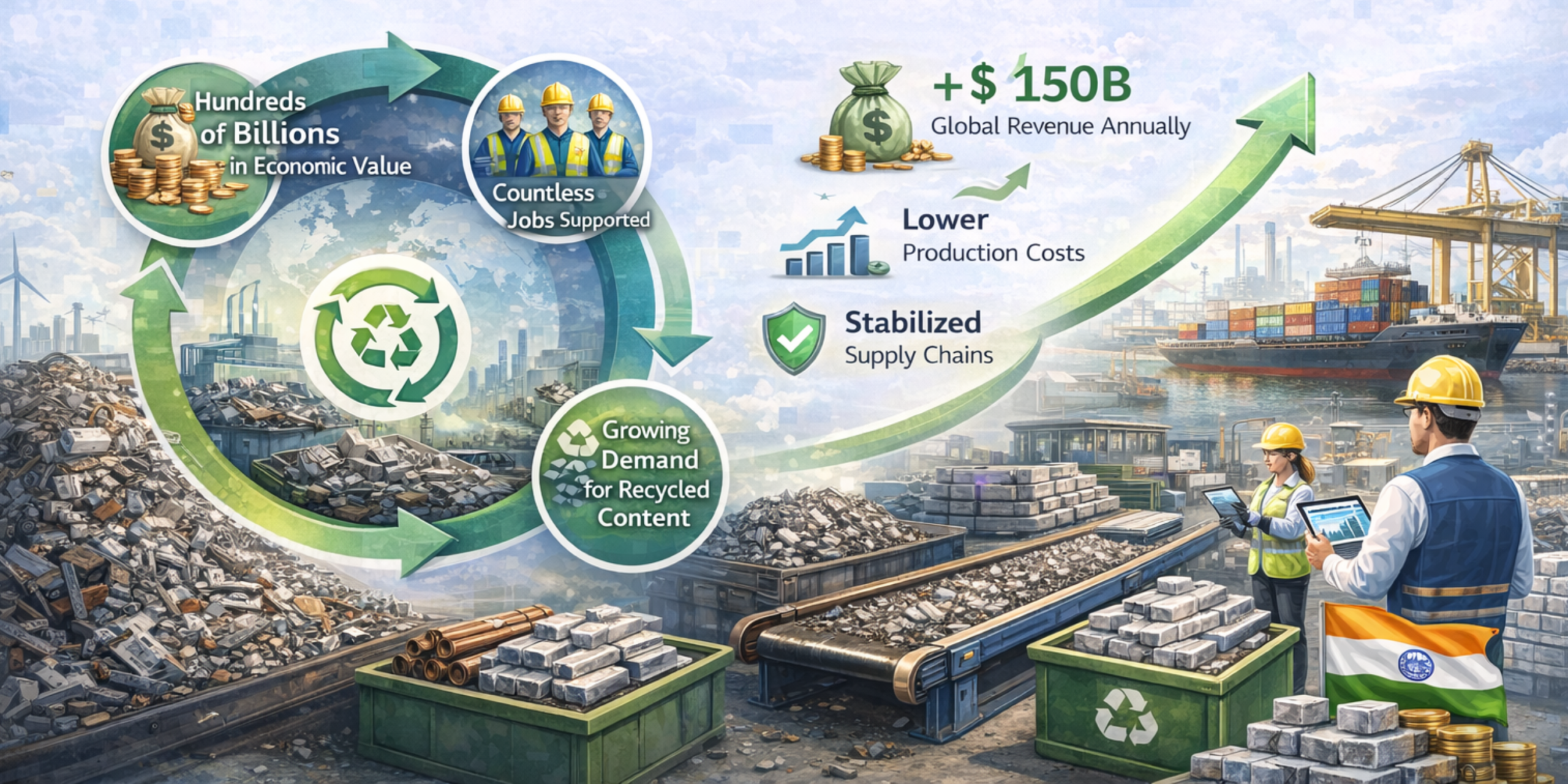
While environmental advantages are clear, the scrap industry also delivers impressive economic benefits. Globally, metal recycling generates hundreds of billions in economic value and supports countless jobs in collection, processing, transportation, and manufacturing. Moreover, as industries adopt circular practices, demand for recycled content continues to grow.

Alongside employment and revenue, using recycled metals can help manufacturers reduce production costs and stabilize supply chains. Because recycled materials require less energy and processing than virgin ore, they often come at a lower and more predictable price point — a strategic benefit in volatile commodity markets.

These dynamics have helped certain suppliers rise to prominence. For example, the Best aluminum scrap tally supplier in India is recognized for facilitating high-quality, certified material flows that support both domestic manufacturing and global trade.

Expanding Circularity Through Policy and Innovation

Governments and industry organizations increasingly recognize the importance of scrap recycling in building a Circular Economy.

Many countries are introducing policies and incentives to increase recycling rates, improve waste management systems, and promote sustainable manufacturing practices.

Technological innovations are also transforming the industry. Advanced sorting technologies, electric arc furnaces (EAF), and digital tracking systems are improving efficiency across the scrap supply chain. These innovations ensure that metals remain in productive use for longer periods while maintaining high quality.

Conclusion: A Sustainable Path Forward

The scrap industry sits at the heart of the Circular Economy. By recycling metals and keeping them in continuous circulation, the industry helps reduce waste, conserve natural resources, and lower global carbon emissions.

At the same time, it drives economic growth, creates jobs, and strengthens industrial supply chains. As global demand for materials continues to rise, the scrap industry will remain a critical force in building a sustainable and resilient future.

Through innovation, responsible sourcing, and efficient recycling systems, the Circular Economy transforms waste into valuable resources — proving that sustainability and profitability can go hand in hand.